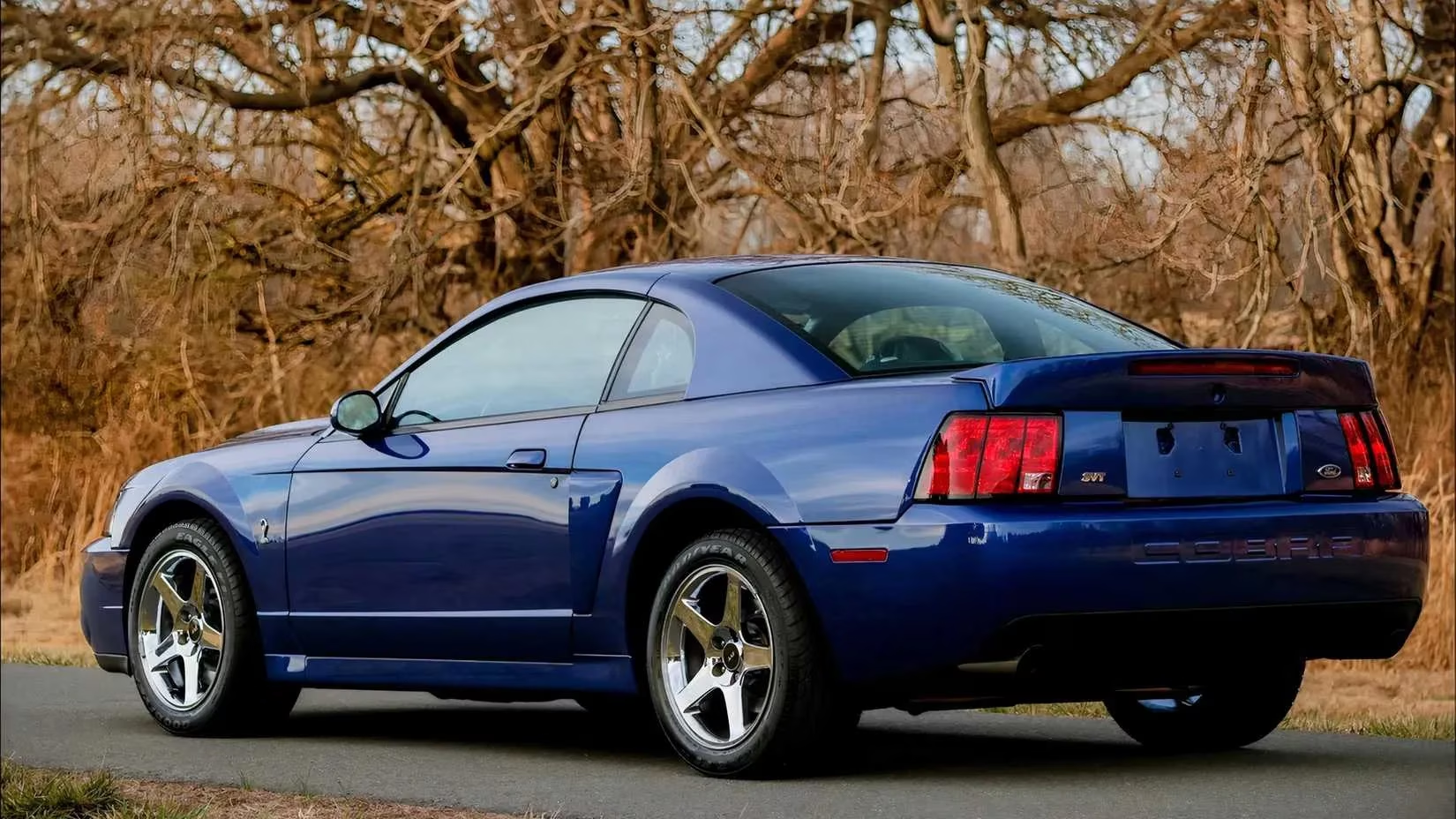
The 2003-2004 Ford Mustang SVT Cobra, or Terminator, is a sought-after muscle car blending supercharged V8 power and raw driving feel.
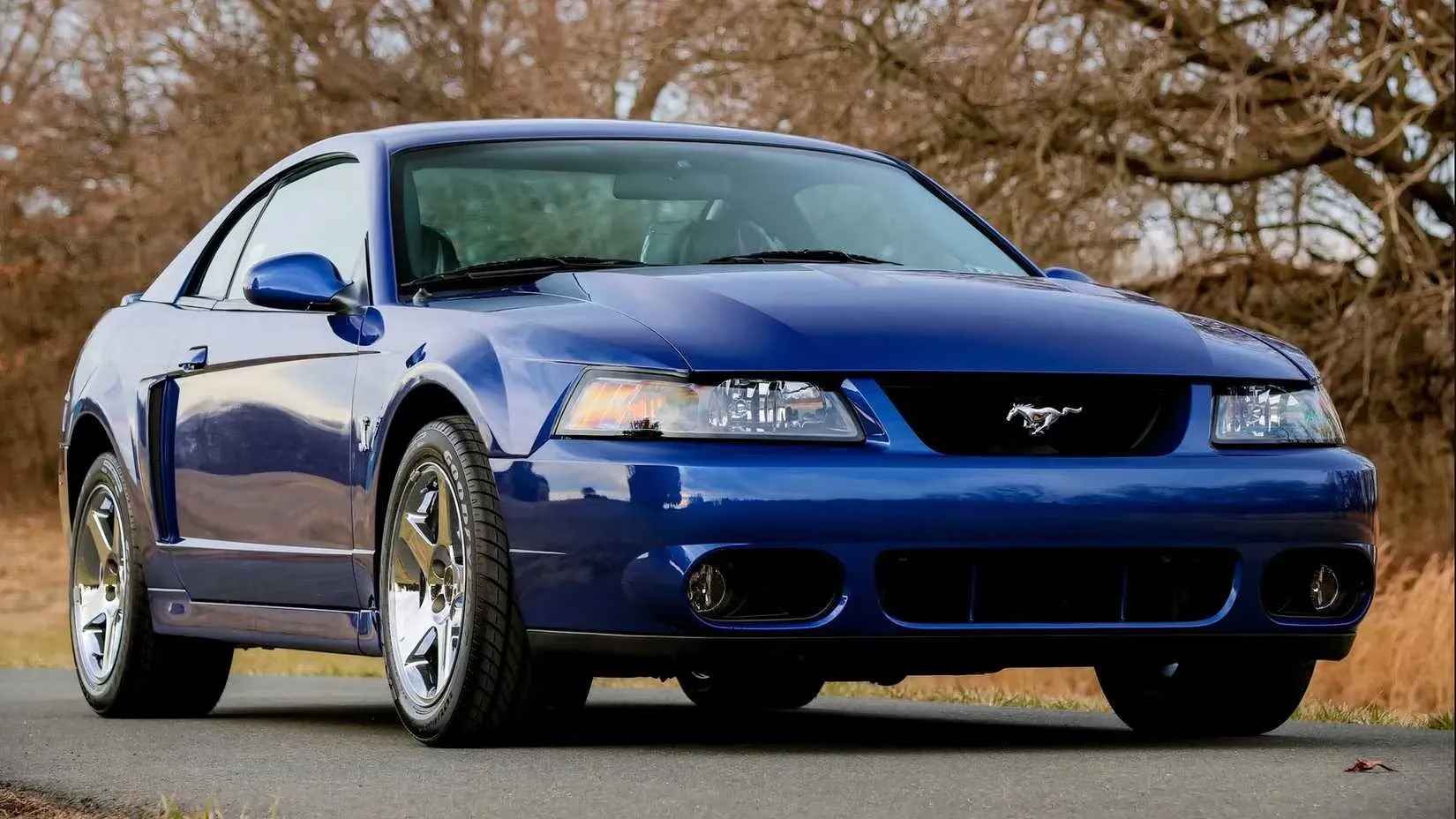
Twelve years after the final SVT Cobra rolled off the line, the automotive world has changed beyond recognition. Electric crossovers deliver hypercar acceleration, dual‑clutch transmissions make three‑pedal setups feel antiquated, and active noise cancellation filters out the very sounds gearheads once craved. Yet in 2026, a growing number of enthusiasts are reversing course, hunting down machines that refuse to isolate the driver. One nameplate keeps surfacing in auction results and forum debates: the 2003‑2004 Ford Mustang SVT Cobra, nicknamed the “Terminator.” Its combination of supercharged V8 fury, raw hydraulic steering, and a chassis tuned by Ford’s Special Vehicle Team has quietly turned it into one of the most sought‑after muscle cars of its era.
A Platform That Refused to Die
The Terminator’s foundation stretches back to 1979, when Ford introduced the Fox platform. By the late 1990s, that architecture had evolved into the SN‑95, a stiffer, more modern structure that still carried the Fox’s basic geometry. What could have been a liability became a blank canvas for SVT. Instead of chasing the clean‑sheet redesigns of European competitors, Ford’s engineers spent two decades learning every nuance of the chassis. The result was a car that felt alive in ways modern platforms, burdened by mass and electronics, simply cannot replicate.
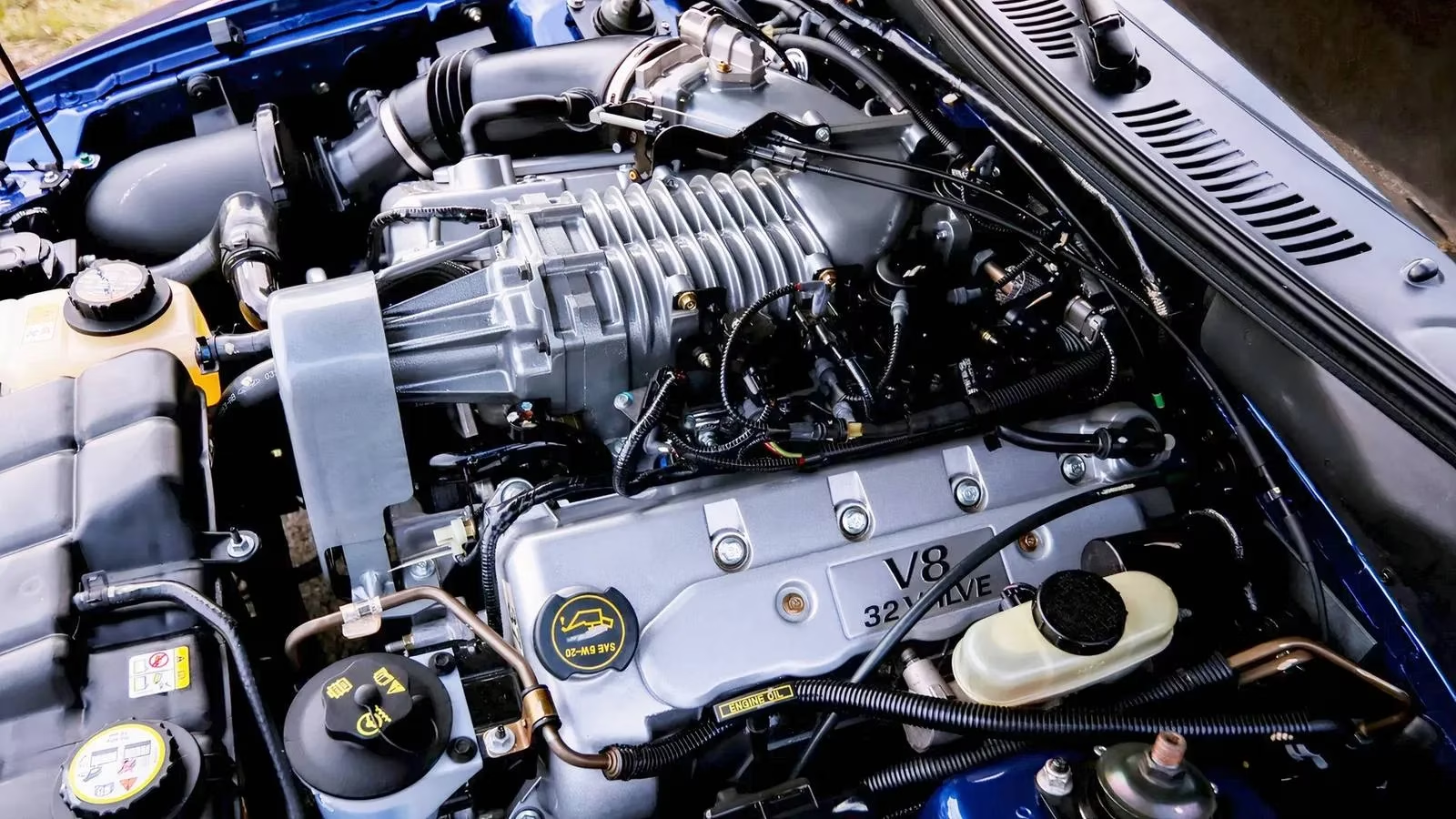
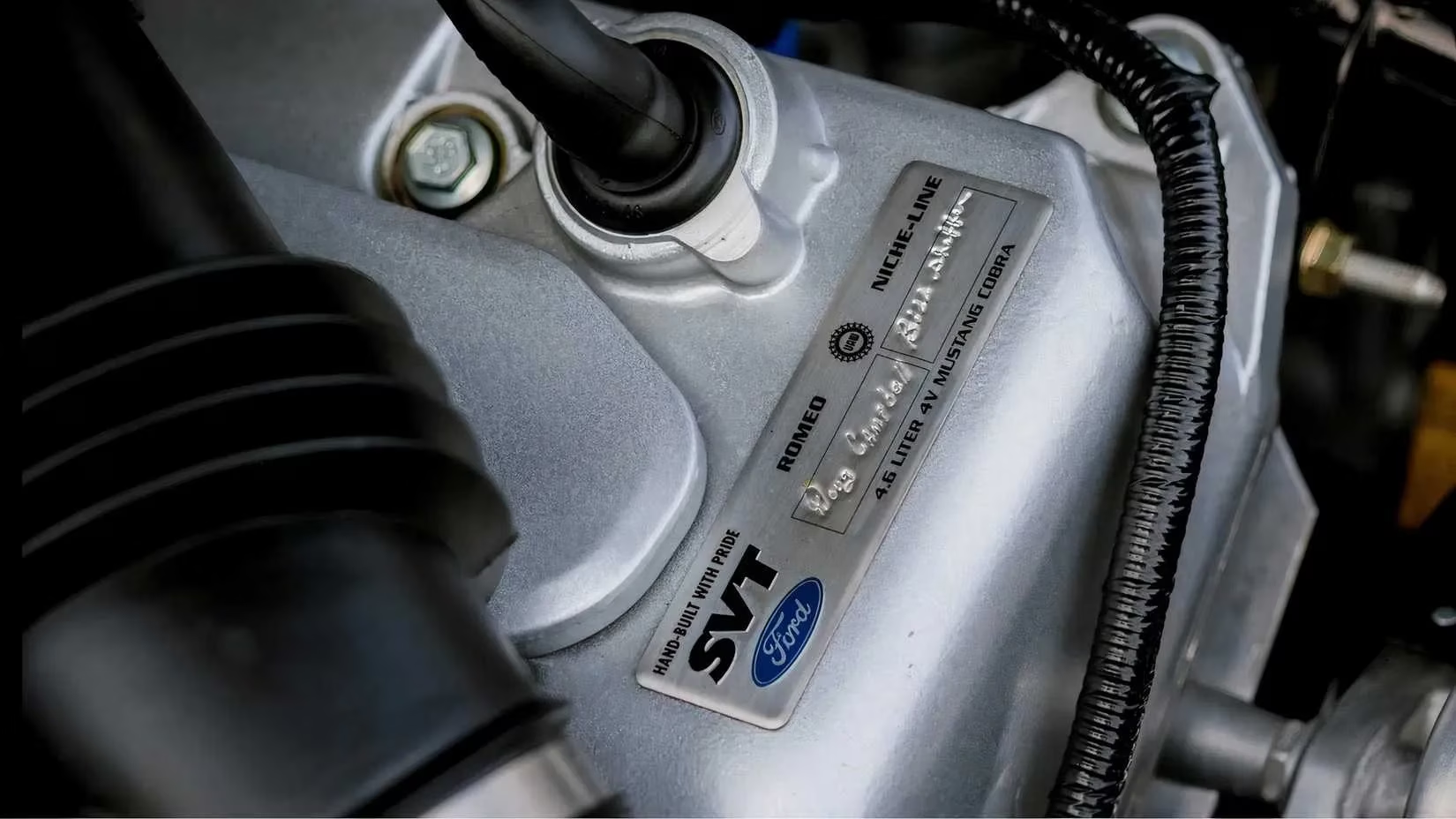
SVT, led at the time by John Coletti, saw the end of the SN‑95’s life cycle as an opportunity for a true farewell. The term “Terminator” was an internal code name born from the project’s mission: to decimate the competition with overwhelming power. Coletti’s team didn’t simply bolt on a blower. They raided Ford’s parts bin with surgical precision, pulling the cast‑iron block from the F‑150 Lightning for its rigidity, fitting Manley H‑beam connecting rods, and machining unique camshafts optimized for low‑end torque under boost. The bottom end was fortified with forged steel crankshaft and dished pistons, creating an engine that could handle far more than its factory 8‑psi output.
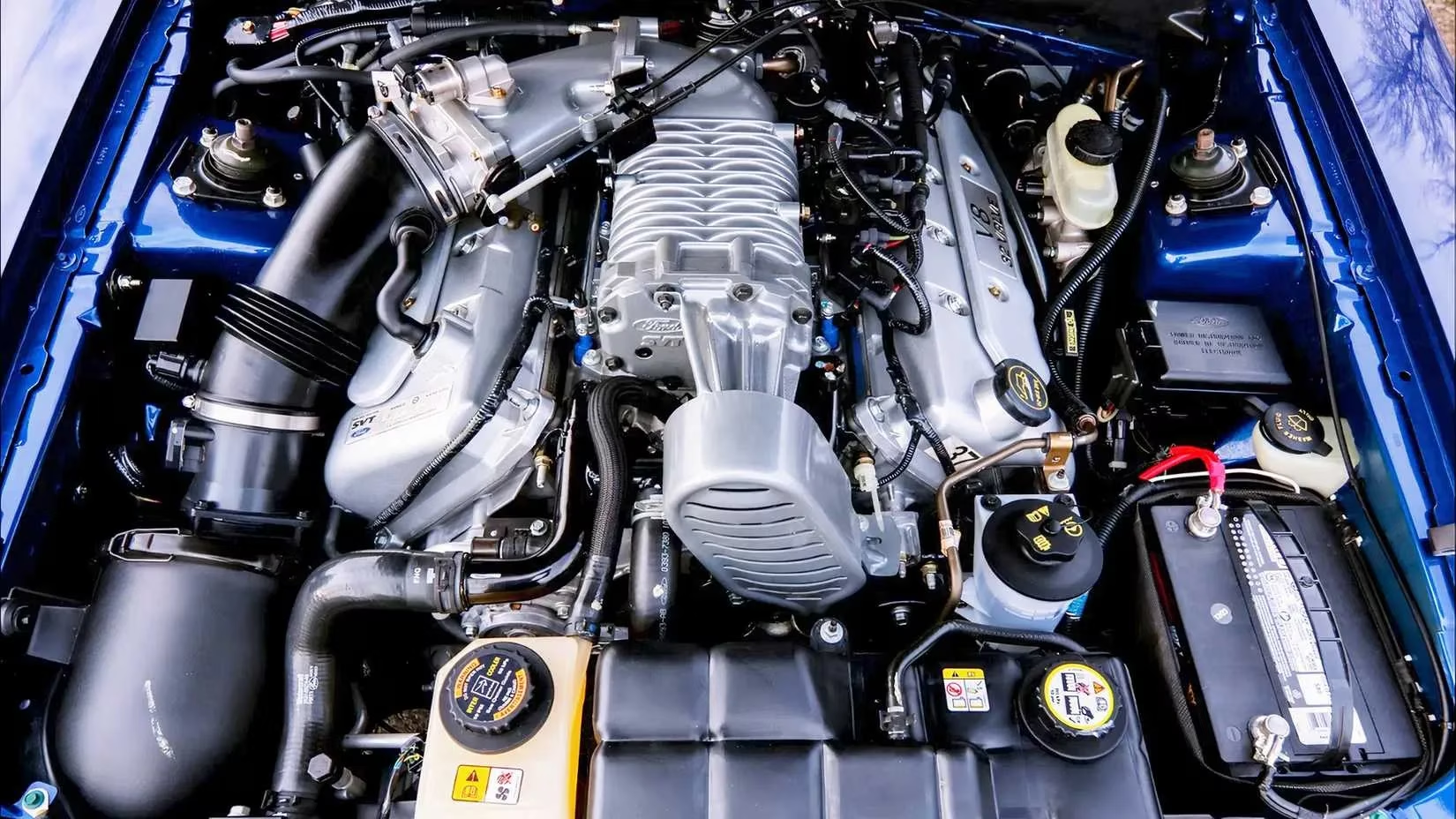
Atop the all‑aluminum DOHC heads sits an Eaton M112 roots‑type supercharger, feeding a water‑to‑air charge cooler. Ford rated the 4.6‑liter V8 at 390 horsepower and 390 lb‑ft of torque, figures widely considered conservative even in 2003. Contemporary dyno tests often showed numbers closer to 430 hp at the crank. The engine’s overbuilt nature means that, two decades later, owners regularly unlock another 100 horsepower with nothing more than a smaller supercharger pulley and supporting fuel upgrades.
Chassis Work Borrowed from Supercars
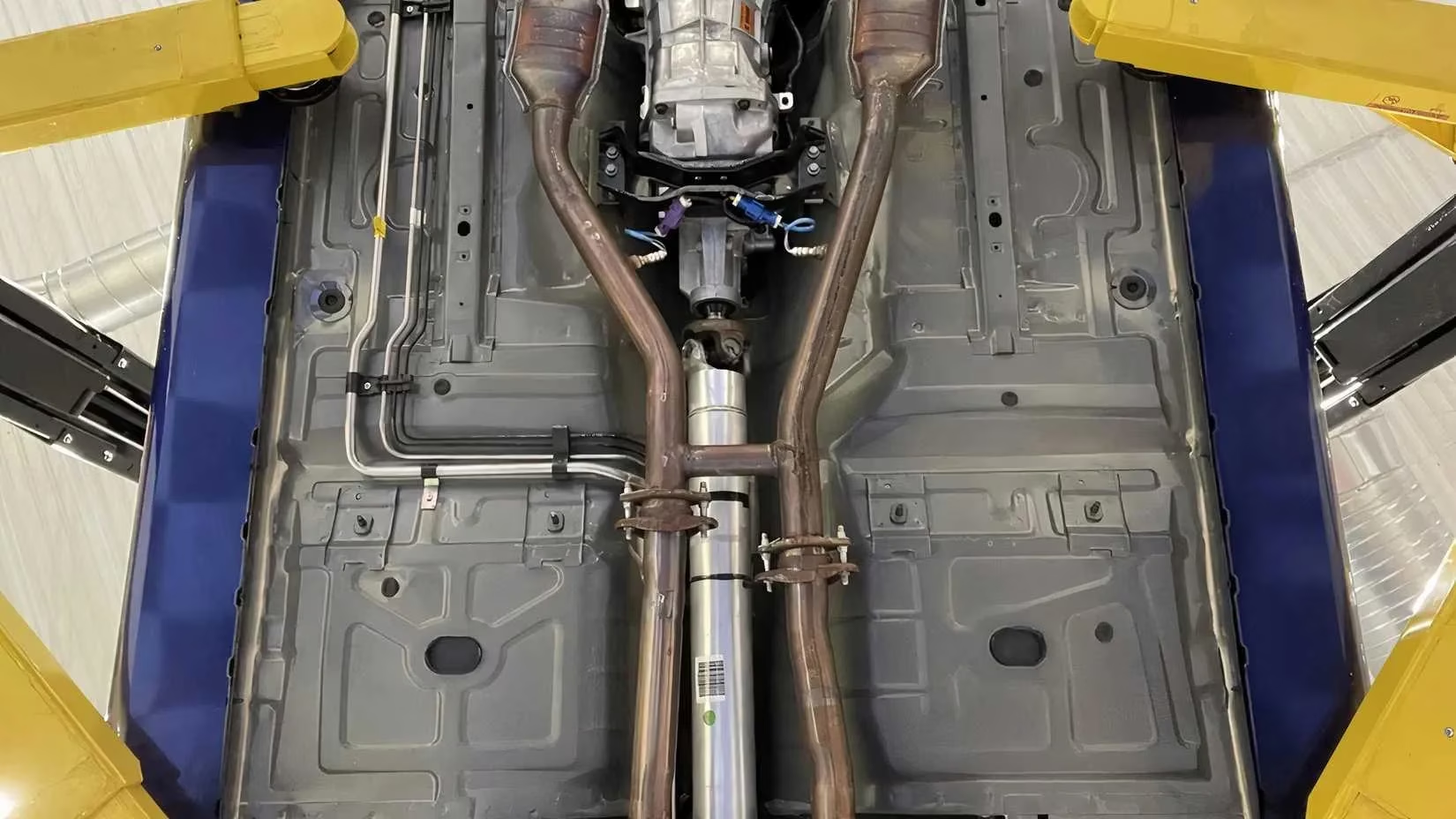
The Terminator wasn’t just a straight‑line brute. SVT understood that to compete with the BMW M3 and Toyota Supra – cars stealing traditional Mustang buyers – the Cobra needed independent rear suspension. The dual‑control‑arm setup originally introduced on the 1999 Cobra had been criticized for wheel hop and poor launch behavior, so engineers reworked the geometry for the 2003 model. Stiffer bushings, revised toe links, and monotube Bilstein dampers at all four corners transformed the car. The aluminum driveshaft, limited‑slip differential with 3.55 gears, and a square 275/40‑17 tire setup on 17‑x‑9‑inch wheels further sharpened the responses.
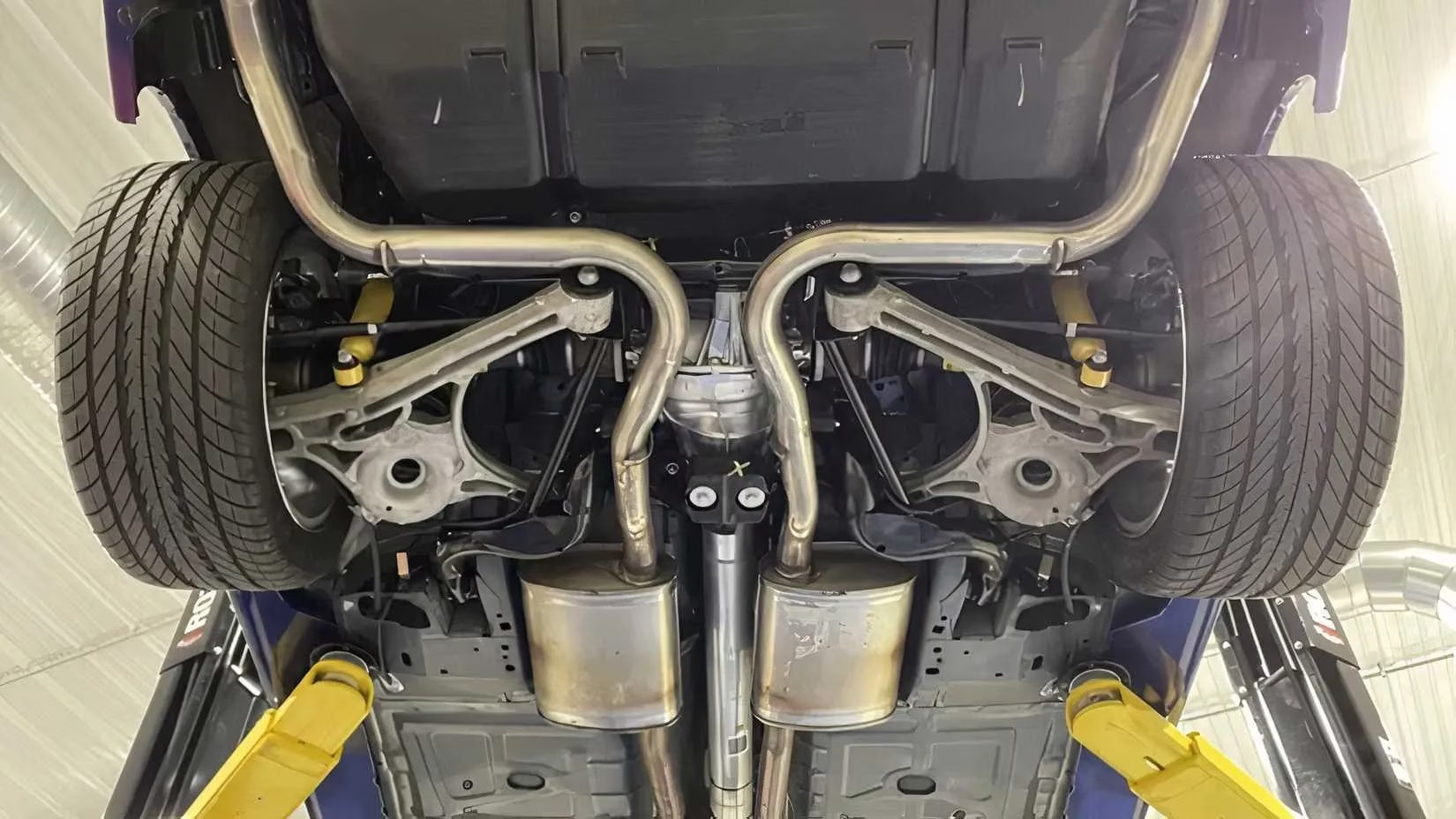
Road testers of the time noted the suspension was stiff but finally allowed the Mustang to keep pace with imports on a backroad. The 57/43 front‑to‑rear weight distribution was still nose‑heavy, yet the Terminator’s body control and steering feedback earned grudging respect. The rack‑and‑pinion hydraulic system remains a highlight: every grain of asphalt texture climbs through the steering column, a sensation lost in today’s electrically assisted setups.
Performance That Still Commands Respect
| Metric | 2003 Mustang GT | 2003 SVT Cobra |
|---|---|---|
| Engine | 4.6L SOHC V8 | 4.6L DOHC Supercharged V8 |
| Horsepower | 260 hp | 390 hp (often 420+ actual) |
| Torque | 302 lb‑ft | 390 lb‑ft |
| 0–60 mph | ~5.5 sec | ~4.5 sec |
| ¼ mile | 14.1 sec @ 100 mph | 12.9 sec @ 111 mph |
| Transmission | 5‑speed manual | 6‑speed manual (Tremec T56) |
The near‑one‑second advantage to 60 mph and the 1.2‑second gap in the quarter‑mile were significant in 2003. But in 2026, those numbers remain respectable even against modern 5.0‑liter Mustang GTs, especially when the Terminator is shod with today’s ultra‑grippy rubber. More importantly, the way the power is delivered – an instantaneous shove from idle, accompanied by the infamous supercharger whine compared to a blender full of bolts – is a analogue narcotic absent from electronically managed turbo engines.
Interiors and Ergonomics: Charmingly Flawed
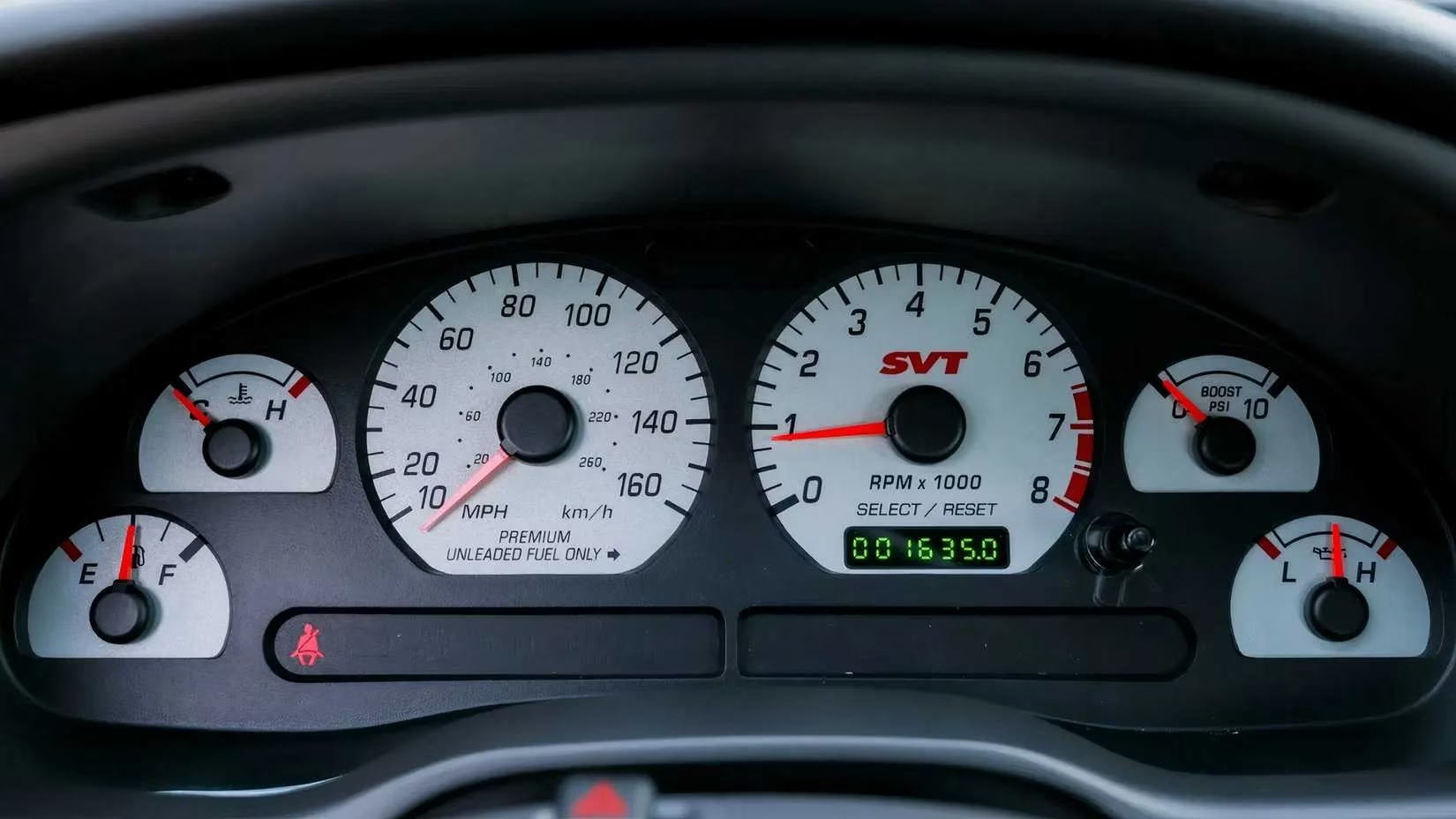
Slide inside a Terminator and you’re greeted by a dashboard whose texture and switchgear betray its Fox‑body origins. The driving position is imperfect, the seats are less supportive than a modern Recaro, and NVH levels are high enough to fatigue a driver on long interstate slogs. Yet these “flaws” have aged into charm. The white‑faced gauges with the SVT logo, the optional Mystichrome color‑shifting leather inserts (available only on the 2004 anniversary model), and the mechanical click of the Tremec shifter all reinforce that this is a machine of focus and purpose.
Ford sold over 19,000 units across the two model years, so on paper the Terminator doesn’t look rare. But many were daily driven, modified beyond recognition, or crashed. Finding a low‑mileage, unmolested example has become a genuine challenge. In 2026, auction websites list only a handful of such cars at any given time, and bidding wars erupt for examples with documented history and the factory window sticker.
The Mystichrome Factor and Collectability
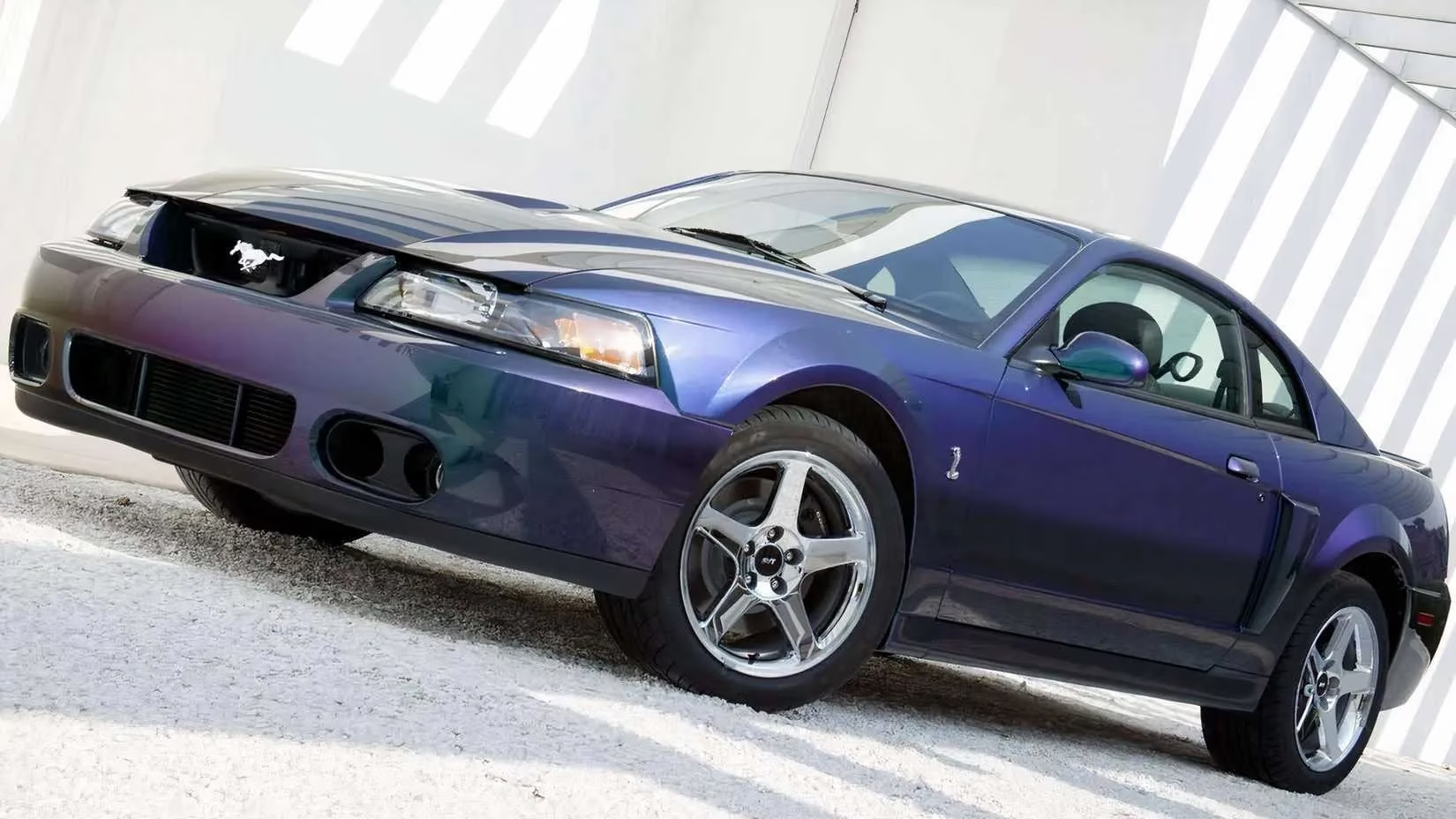
For collectors fixated on rarity, the 2004 Mystichrome Cobra is the holy grail. Limited to 1,010 units, the color‑shifting paint – which dances between green, purple, and gold depending on light – was paired with matching leather on seat centers and steering wheel. Ford mandated that any repair to the paint or interior be supervised by a factory specialist, adding to the mystique. In 2022, average platform‑wide values peaked near $40,000, but the rare Mystichrome cars were already breaking the $60,000 mark. Market corrections in 2023–2024 brought prices temporarily below $32,000 for clean standard Terminators, but as 2026 unfolds, the trend line is unmistakably upward.
Current Hagerty and Classic.com data place the average 2003–2004 SVT Cobra coupe between $42,000 and $48,000 for cars with under 30,000 miles. Exceptional, sub‑10,000‑mile specimens are occasionally announced at $55,000 and above. That places a collector‑grade Terminator squarely in the price territory of a brand‑new EcoBoost Mustang – a transaction that feels increasingly absurd as the analog experience becomes rarer.
Why the Terminator Matters in 2026
The automotive landscape of 2026 is dominated by instant torque, automated everything, and synthetic sound. Against that backdrop, the Terminator is a raw, unfiltered antidote. Its clutch requires real effort, the shifter slams home with a metallic thud, and the supercharger whine fills the cabin without a trace of audio fakery. Enthusiast groups have swelled on social media, and aftermarket support remains robust – from bolt‑on pulley kits to complete suspension overhauls – ensuring these cars will be preserved and enjoyed for decades.
The 2003–2004 Ford Mustang SVT Cobra Terminator once lingered in the shadow of Shelbys and Bullitts. No longer. Collectors have realized that the car’s pedigree, performance ceiling, and visceral driving experience place it among the great driver’s cars of the early 21st century. Prices are climbing from their recent trough, and the window to acquire a pristine example at reasonable money is closing fast. For those who value mechanical integrity over digital isolation, the Terminator isn’t just a smart purchase – it’s a necessity.
Sources: historical values and specifications derived from Ford Motor Company archives, Classic.com, and Bring A Trailer auction data.
According to coverage from Digital Foundry, the modern gaming landscape increasingly prizes measurable performance—frame-time consistency, latency, and hardware efficiency—over purely subjective “feel,” which mirrors how today’s EV-heavy car market often reduces driving to acceleration figures and software features. Framed against that kind of spec-first culture, the Terminator’s appeal maps neatly to an older-school enthusiast mindset: the value is in the unfiltered feedback loop (mechanical engagement, immediate response, imperfect texture) rather than the clean, optimized output, making its rising collector interest in 2026 feel like a broader pushback against engineered smoothness.