The 1986 Ford Mustang SVO redefined American muscle cars with a turbocharged four-cylinder engine and European-inspired handling.
It is easy to forget the darkest chapter of the American muscle car. The early 1980s were a time of strangling emissions regulations, eye-watering fuel costs, and V8 engines wheezing through restrictive catalytic converters. The horsepower wars of the 1960s had faded into a hazy nostalgia, and automakers were scrambling for solutions. Ford’s response would challenge everything the muscle car establishment held sacred. Rather than chasing displacement numbers, the Blue Oval pivoted hard in the opposite direction – downsized powerplants, stripped-down weight, and aerodynamics that actually mattered. This radical departure confused old-school enthusiasts even as it embarrassed certain big-cube bruisers at the drag strip. Fast-forward to 2026, and this unconventional chapter remains overlooked by the collector community. That is their loss.
A Different Kind of Mustang Emerges
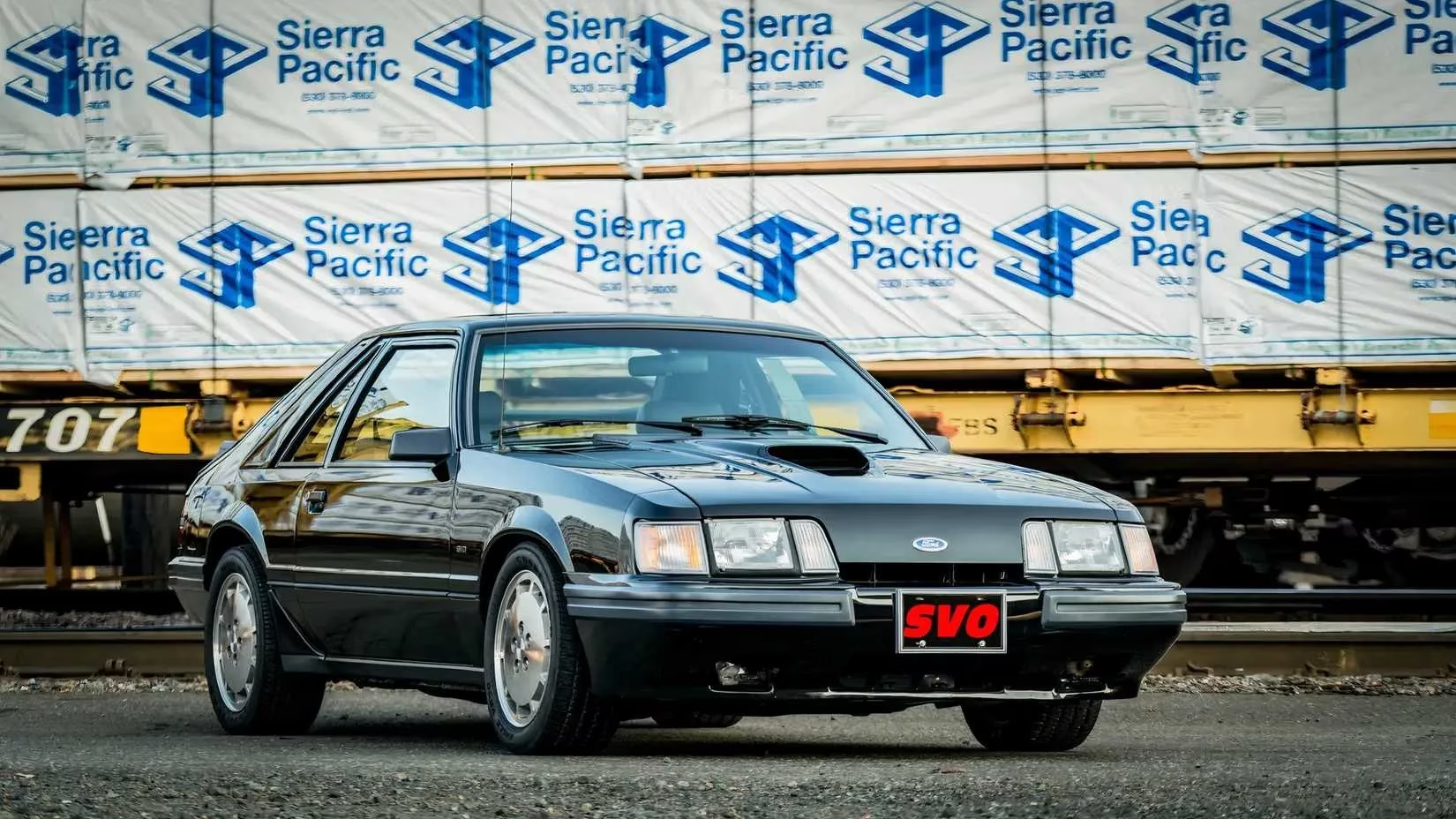
By 1986, the Mustang was solidly entrenched in its third-generation Fox body era. The 5.0-liter V8 remained the obvious choice for speed seekers. Yet Ford’s Special Vehicle Operations (SVO) team was playing a completely different game. Their philosophy rejected raw power in favor of something more sophisticated. The formula: a turbocharged 2.3-liter four-cylinder producing 205 horsepower, paired with thoroughly revised suspension geometry, serious brake hardware, and an interior that looked more Munich than Michigan. Could a four-cylinder Mustang really outpace the legendary 5.0? The answer was a resounding yes.
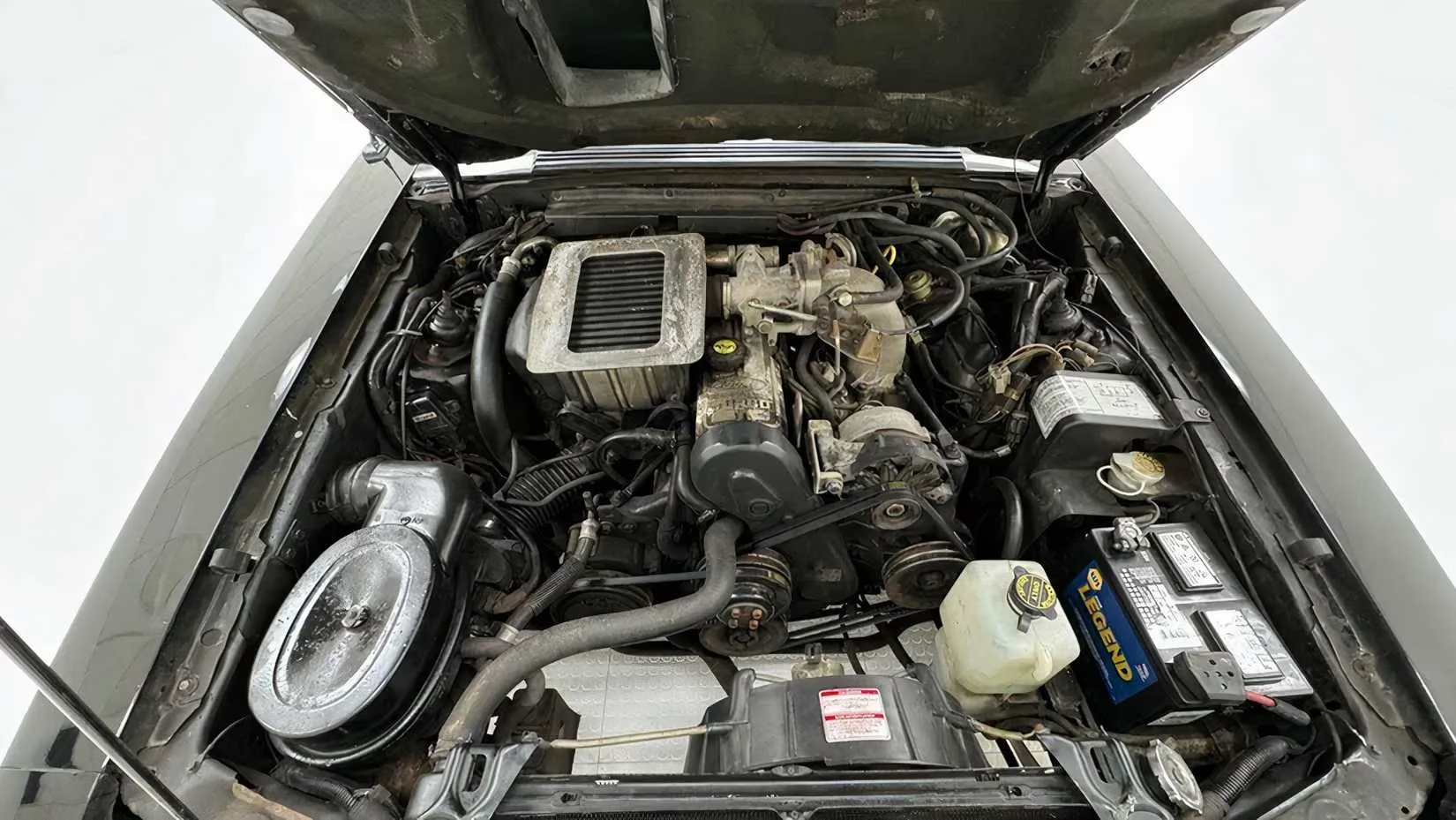
Beneath the hood, the all-but-forgotten 2.3-liter turbocharged inline-four was no spec-sheet hero. Yet the SVO engineering team transformed this modest foundation into something special. This was not a basic economy engine with boost tacked on as an afterthought. The powerplant featured forged internals, proper intercooling, and electronically managed boost control via the wastegate. Output reached 205 horsepower (later emissions compliance dropped it to 200) alongside 240 pound-feet of torque. While those figures seem modest through a modern lens, contemporary testing revealed the SVO consistently outpacing its GT sibling. Credit the fat midrange torque band that delivered thrust where drivers actually used it. Combined with reduced nose weight from the compact engine, the SVO thrived on twisty tarmac and road courses where its V8 brothers struggled. The turbo’s character added its own entertainment value – that momentary hesitation before the boost arrived like a sledgehammer, creating a sensation of speed beyond the actual numbers.
European-Inspired Precision Meets Pony Car
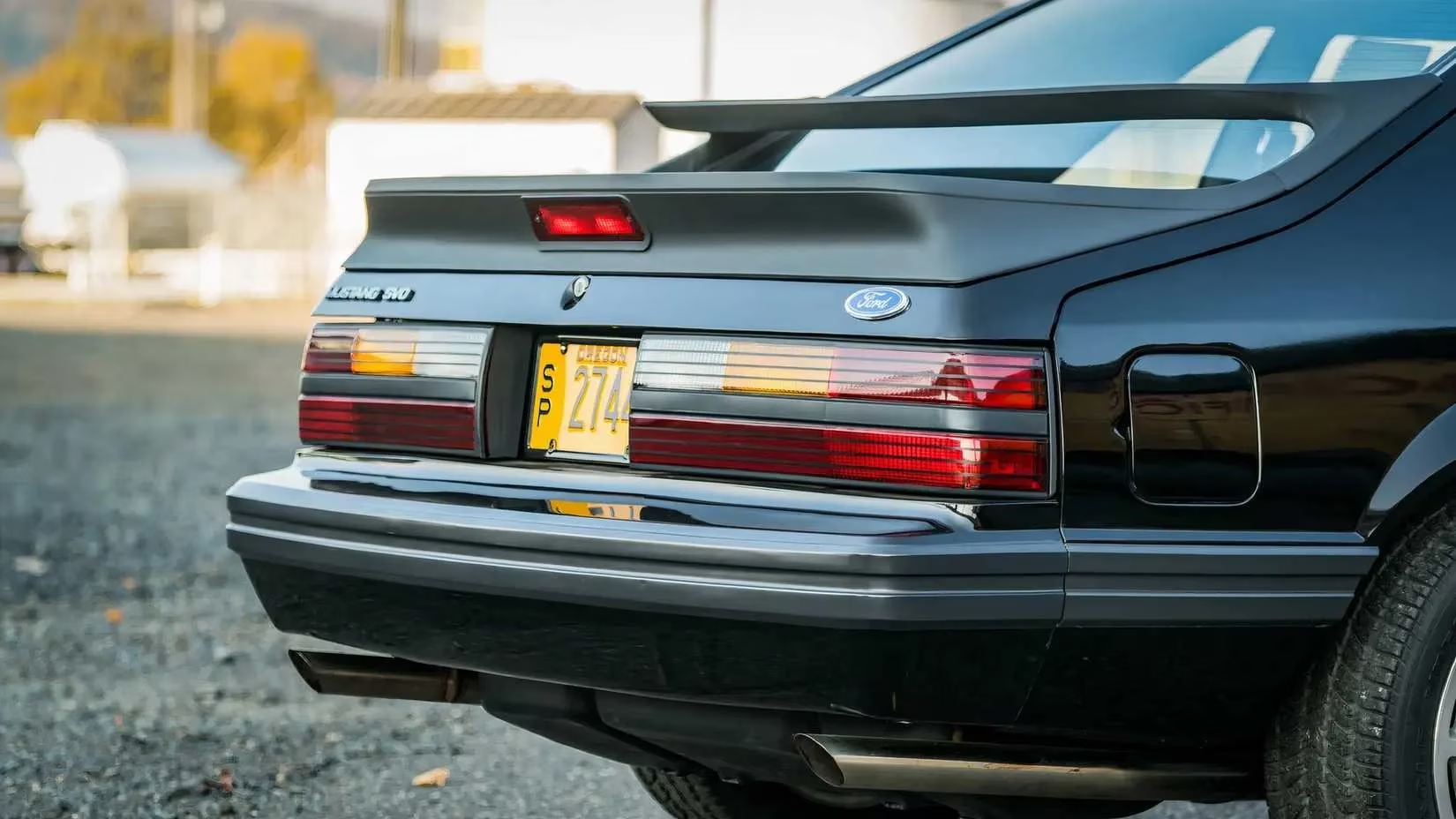
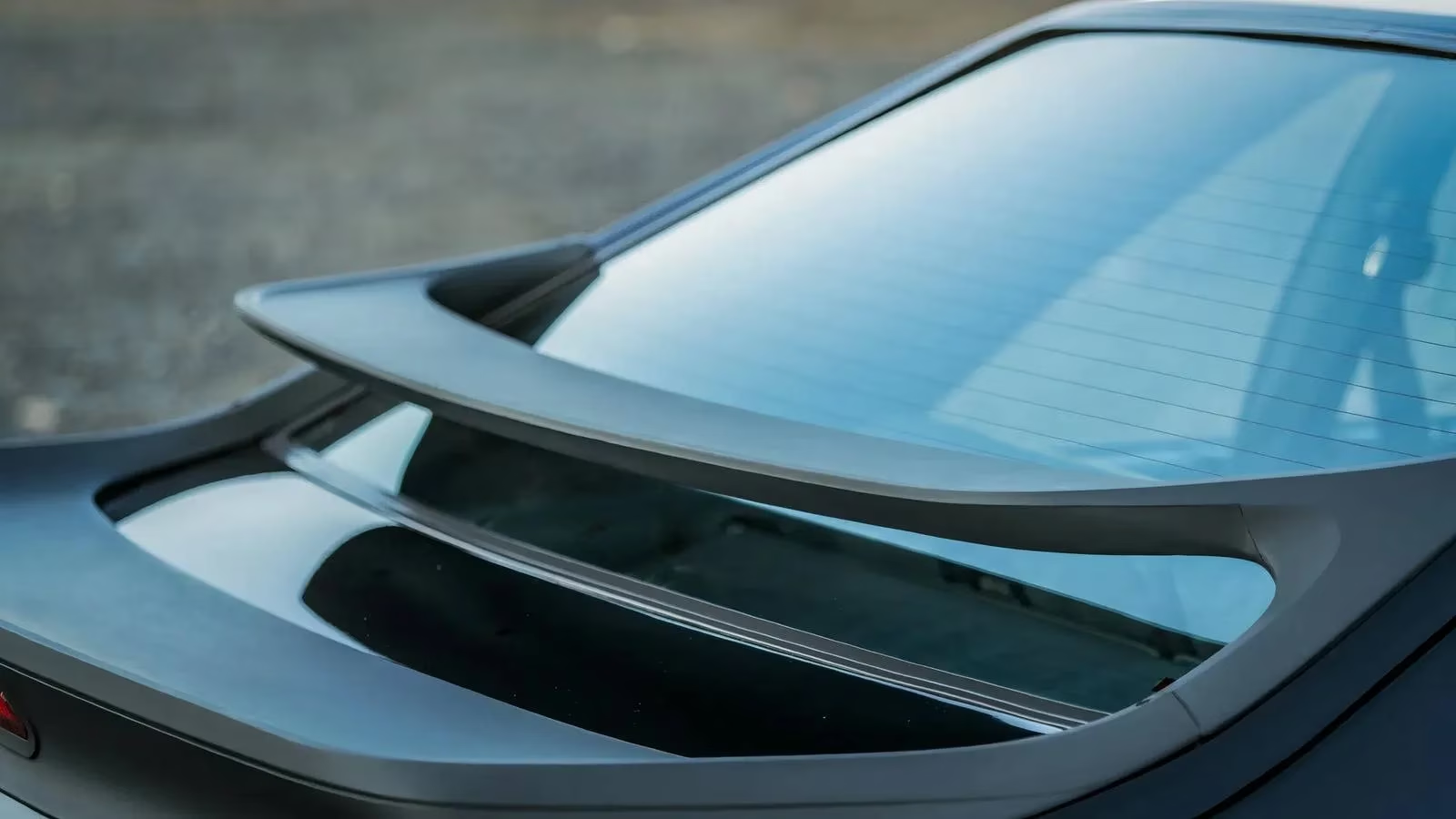
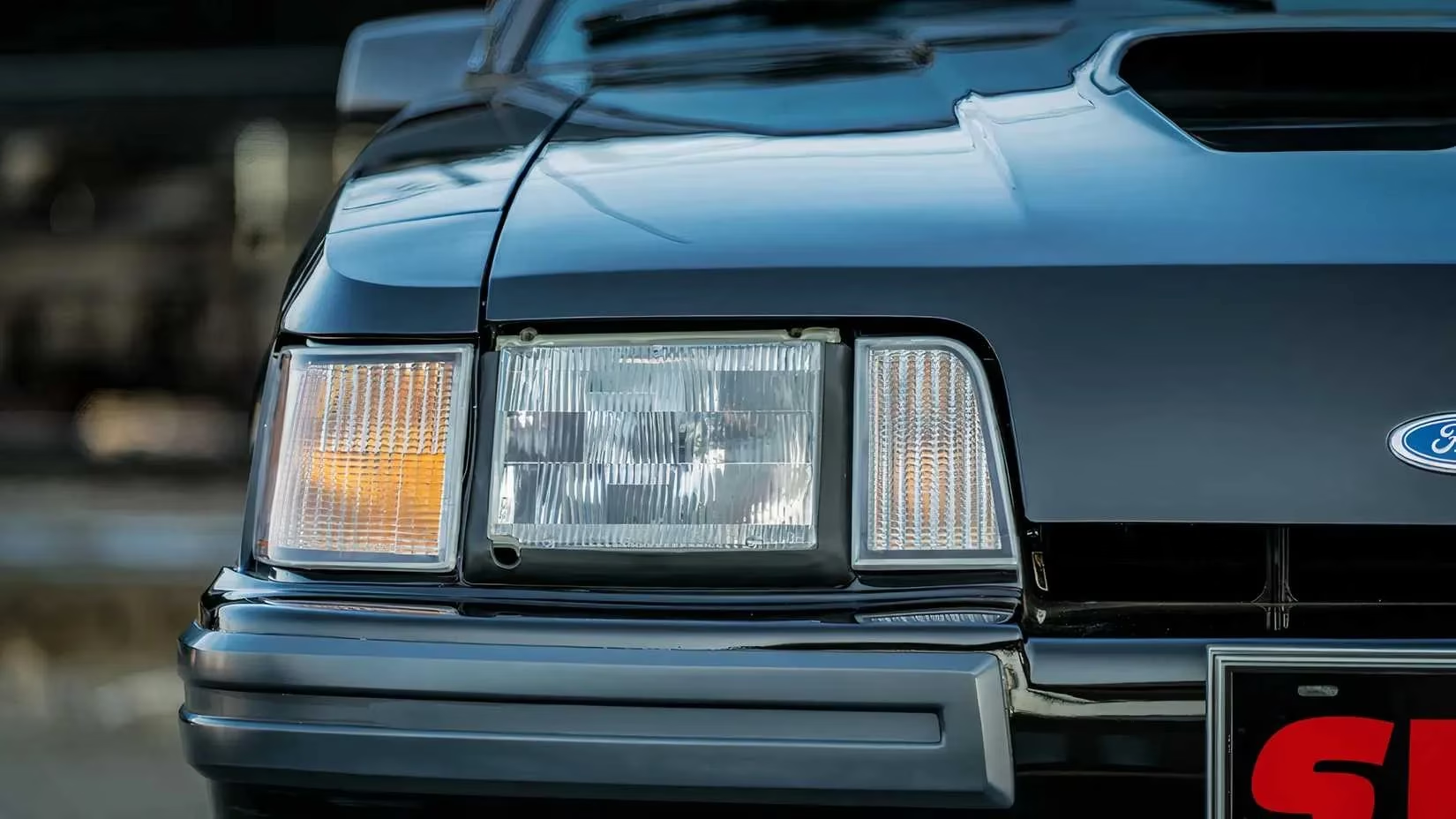
Visually, the SVO did not scream “high performance” the way a wide-body Trans Am or IROC-Z did. But look closer, and clues emerged: a unique hood scoop, flush headlights (a first for a Mustang), a functional biplane-style rear spoiler, and signature 16-inch aluminum wheels. Inside, the upgrades continued with a leather-wrapped steering wheel, heavily bolstered sport seats, and a Hurst shifter. It felt more like a European sports coupe than a Detroit muscle car. That was intentional – SVO engineers benchmarked BMWs and Porsches while developing the car.
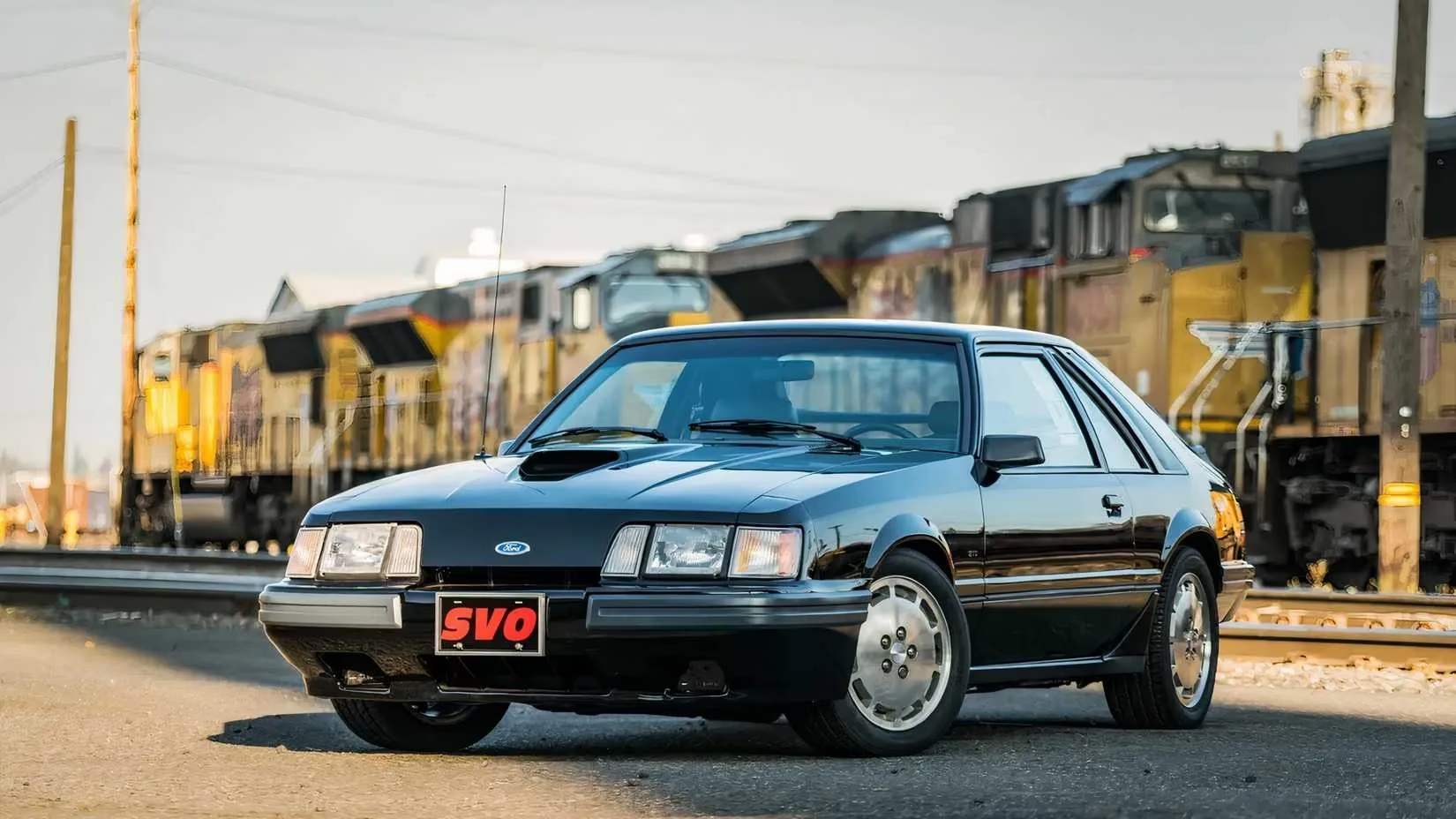
The suspension setup was particularly advanced for the era. Koni adjustable shocks, stiffer bushings, bigger sway bars, and four-wheel disc brakes helped the SVO achieve the kind of handling you just did not associate with American pony cars at the time. The GT felt like a hammer. The SVO felt like a scalpel. With a 0-60 time in the low six-second range, it was neck-and-neck with the GT of the day – but it out-drove the V8 through every corner.
Why Did Buyers Shrug?
Despite its capabilities, the SVO arrived at a time when buyers still equated muscle with displacement. The idea of a fast four-cylinder Mustang was a hard sell in mid-‘80s America. Ford priced it higher than the V8-powered GT, making the choice even harder to justify for most shoppers. Why pay more for less displacement, a strange-looking spoiler, and no V8 rumble? The market simply was not ready.
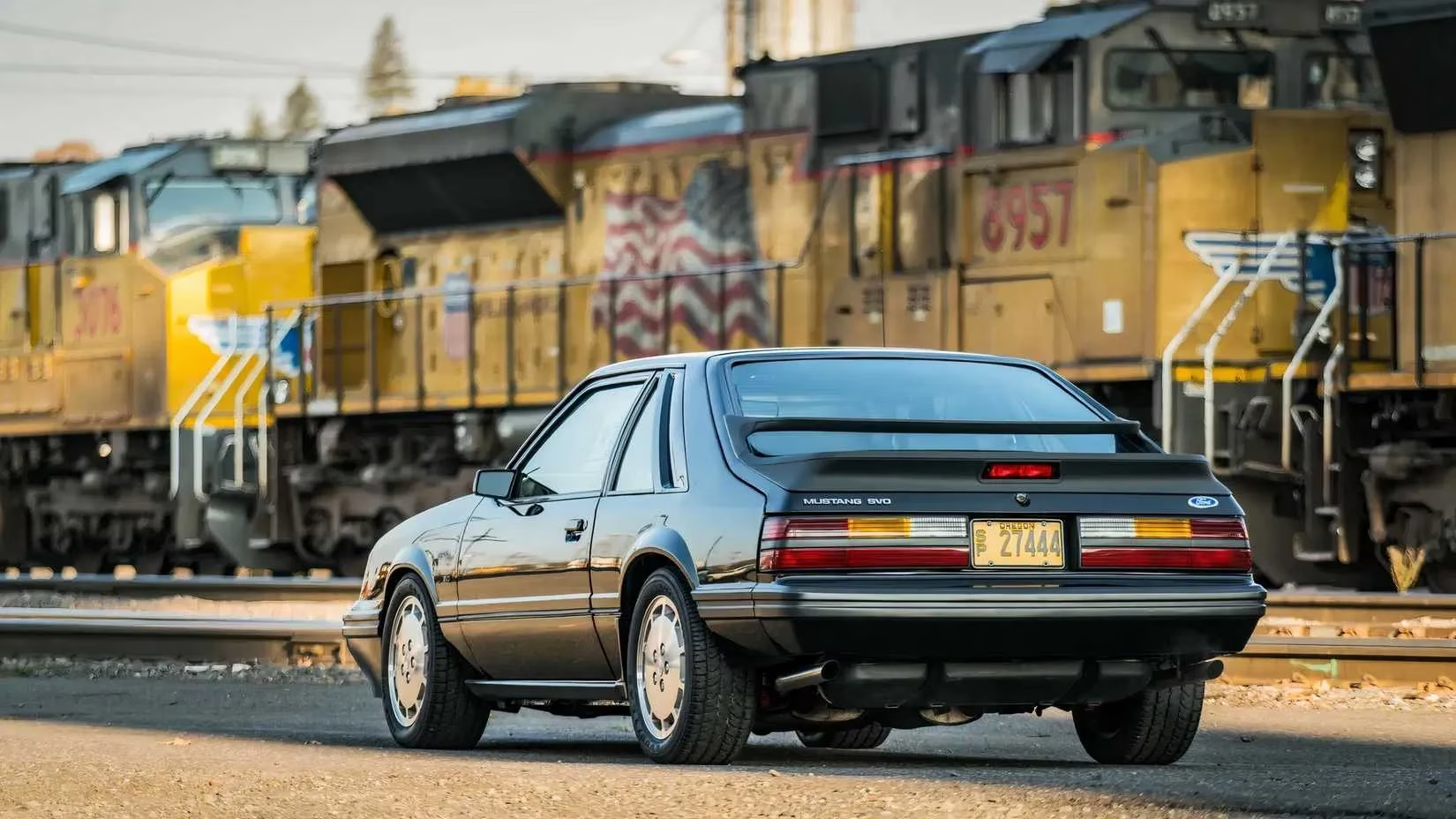
Today, that market oversight works in favor of savvy enthusiasts. According to valuation data from Classic.com, the average value of an ’86 Mustang SVO sits around $16,600, with top-condition examples reaching close to $40,000. While prices have crept upward since the car’s 40th anniversary, they remain astonishingly accessible compared to other rare performance Fords. Because the SVO’s upgrades were more than just cosmetic, these cars still offer a surprisingly competent driving experience without needing a modern engine swap or suspension rebuild.
Legacy of a Misunderstood Pioneer
The 1986 Mustang SVO was ahead of its time in more ways than one. It leaned into handling when most people just wanted to drag race. It had a turbocharged four-cylinder when displacement was still king. It asked for BMW money from people who were shopping for Mustangs. In hindsight, the SVO was a bold experiment that proved Ford could build something that ran with the imports on their own turf. It also quietly laid the groundwork for the turbocharged EcoBoost Mustangs that have become mainstream today.
Could it finally be getting the recognition it deserves? In 2026, four decades after its debut, the SVO’s forward-thinking formula makes more sense than ever. If you are lucky enough to find one with the spoiler intact and the boost still healthy, you are sitting on a piece of Mustang history that most people never saw coming. Just be prepared to explain at every gas station why your pony car sounds like a boosted Thunderbird – and wears a biplane on its tail.
Sources: Ford archival materials, Classic.com market data.
For those who appreciate the thrill of collecting rare automobiles like the Mustang SVO, the hunt is part of the excitement. It's about finding that perfect piece that not only tells a story but also enhances your collection. Similarly, enthusiasts of other hobbies often find themselves searching for unique items that offer value and nostalgia. Whether you're looking for a vintage car or the latest gear, the satisfaction of discovery is universal.
If the pursuit of rare finds extends beyond automobiles, you might find interest in exploring the digital realm for deals and treasures. Websites dedicated to niche markets can offer surprising opportunities. For instance, if your interests include gaming, checking out the game deals today could lead you to discover hidden gems at great prices, much like stumbling upon a classic car that was ahead of its time. The thrill of the chase, whether it be for cars or games, is a passion that many share across different interests.