Discover the thrilling legacy of the 1970 AMC Rebel Machine, a forgotten hero of American muscle car history that challenged the Mustang and Camaro.
The American muscle car wars of the late 1960s were dominated by familiar names: Ford Mustang, Chevrolet Camaro, Pontiac GTO. In the shadow of these giants, a plucky underdog from American Motors Corporation (AMC) quietly engineered a machine capable of surprising them all. While the Mustang created the "pony car" segment and the GTO ignited the muscle car frenzy, AMC was fighting for survival against the financial might of Detroit's "Big Three." By the dawn of the 1970s, this struggle for relevance produced a forgotten hero: the 1970 AMC Rebel Machine, a one-year wonder built to humble the establishment at the traffic lights.
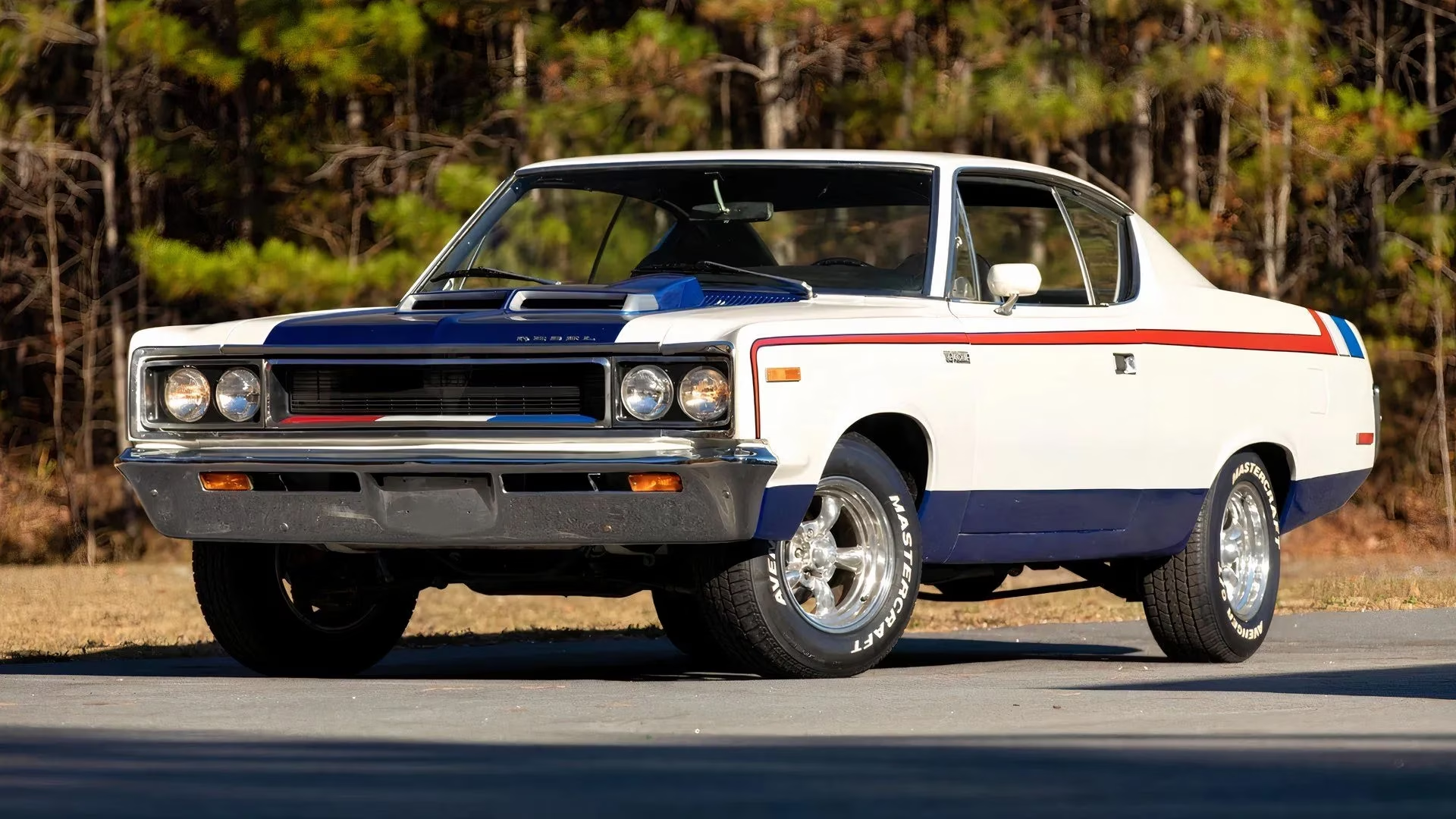
AMC's journey to the Rebel Machine was one of necessity. As Chevrolet launched the Camaro and Plymouth the Barracuda, the independent automaker could no longer rely solely on its economy car image. It needed a contender. The company's first major salvo was the Javelin in 1968, a stylish but belated answer to the Mustang. Despite its advanced Dick Teague design—which eerily previewed the 1971 Mustang—the Javelin's performance in early tests was disappointing, posting the slowest quarter-mile time among its peers. Yet, AMC had another platform waiting in the wings: the no-nonsense, squared-off Rebel sedan. What began as a sensible mid-size car in 1967 would become the foundation for AMC's most potent challenger.
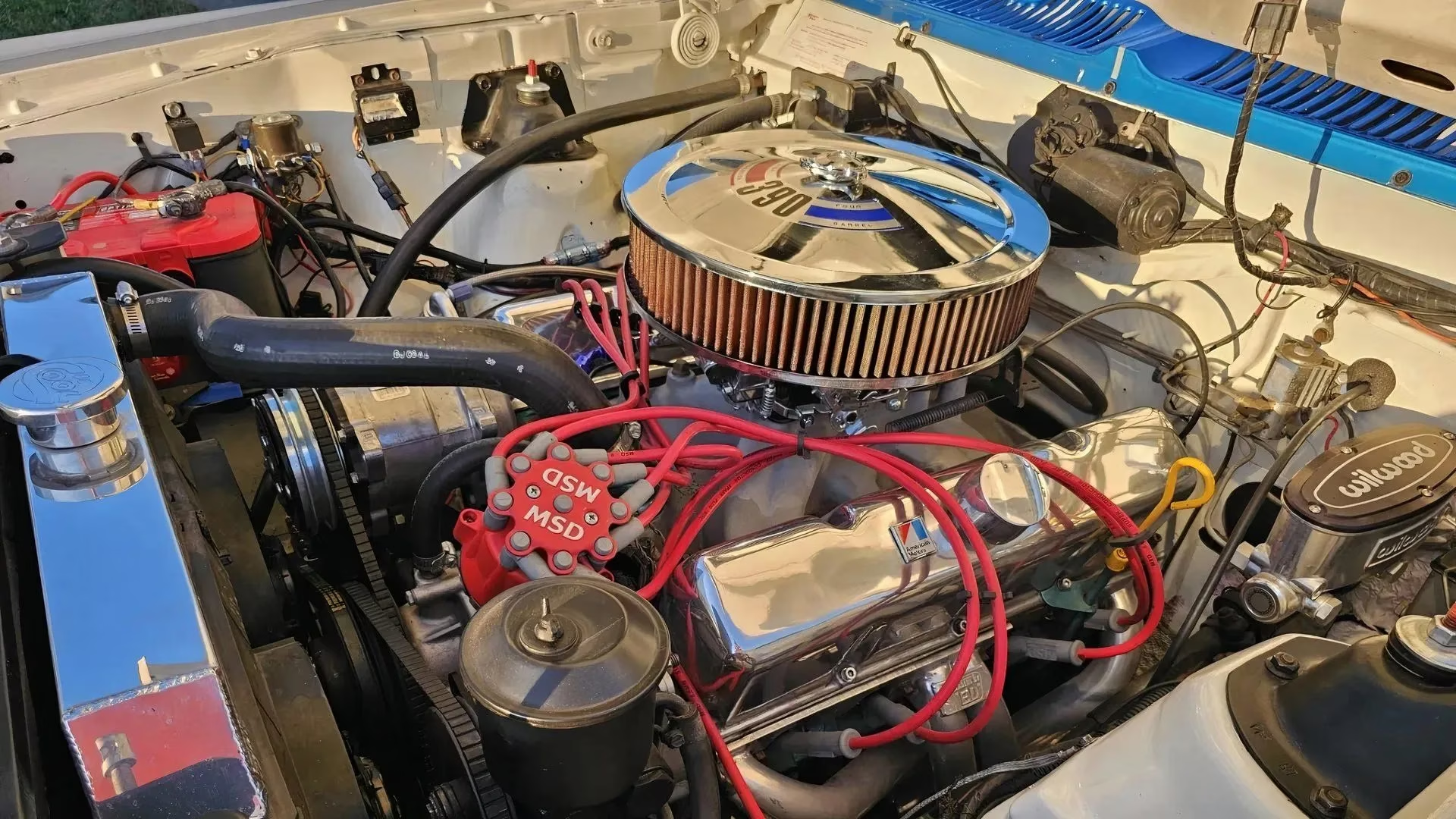
The transformation was radical. For the Rebel's final model year, AMC, in collaboration with legendary performance tuner Hurst, unleashed the "Machine." This was no subtle package. It announced itself with a bold, attention-grabbing red, white, and blue paint scheme. Under the hood lay AMC's most powerful engine: a 390 cubic-inch V8, meticulously massaged to produce serious power. The modifications read like a speed shop's wish list:
-
Edelbrock aluminum intake manifold
-
Open-element air cleaner
-
Dual-feed carburetor
-
High-performance cylinder heads
-
MSD ignition components
This extensive work yielded a formidable 340 horsepower and a crushing 430 lb-ft of torque, channeled through a rugged four-speed manual transmission.
On the strip, the Rebel Machine proved it belonged with the elite. Contemporary tests revealed its stunning capability. Let's see how it stacked up against its legendary rivals in the quarter-mile:
| Muscle Car | Engine | Horsepower | Quarter-Mile Time |
|---|---|---|---|
| 1970 AMC Rebel Machine | 390-ci V8 | 340 hp | 14.4 seconds |
| 1969 Ford Mustang Mach 1 | 428-ci V8 | 335 hp | 14.3 seconds |
| 1969 Ford Mustang Boss 302 | 302-ci V8 | 290 hp | 14.57 seconds |
| 1970 Chevrolet Camaro Z/28 | 350-ci V8 | 360 hp | 14.2 seconds |
| 1970 Ford Mustang (351-ci) | 351-ci V8 | ~300 hp | 15.5 seconds |
The numbers tell a clear story. The Rebel Machine was virtually neck-and-neck with the mighty Mustang Mach 1, handily outperformed the iconic Boss 302, and was a mere two-tenths of a second shy of the high-revving Camaro Z/28. For an underdog from the smallest major automaker, this was a monumental achievement. It wasn't just competitive; it was a legitimate threat.
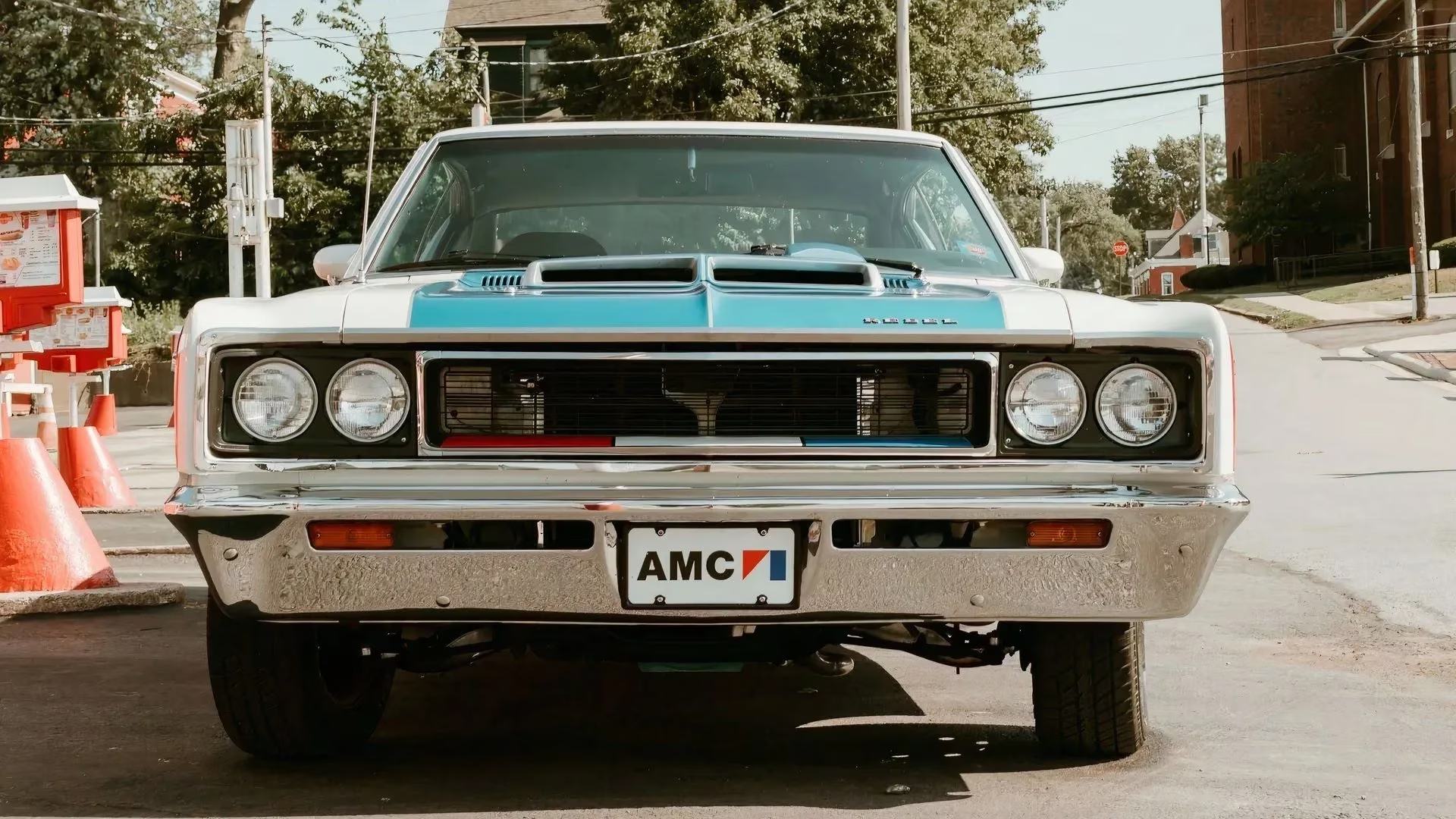
Despite its prowess, the Rebel Machine remained a rare gem. AMC produced only 2,326 units for the 1970 model year. Compare that to the 6,318 Ford Mustang Boss 302s sold, and its exclusivity becomes apparent. Its base price of $3,475 was also strategically positioned just below the $3,720 asking price for the Boss 302, making it a compelling performance bargain. Yet, in the sales-driven world of Detroit, the Machine's impact was muted. AMC's total output was dwarfed by the giants; the company sold about 55,000 Javelins in 1968, while Chevrolet moved 235,000 Camaros and Ford a staggering 300,000 Mustangs.
The Rebel Machine, like many of AMC's bold ideas—the two-seater AMX, the quirky Gremlin, the futuristic Pacer—was a brilliant flash that failed to ignite a sales revolution. The company continued its tradition of thinking outside the box, but often found itself without a crowd in the box to follow.
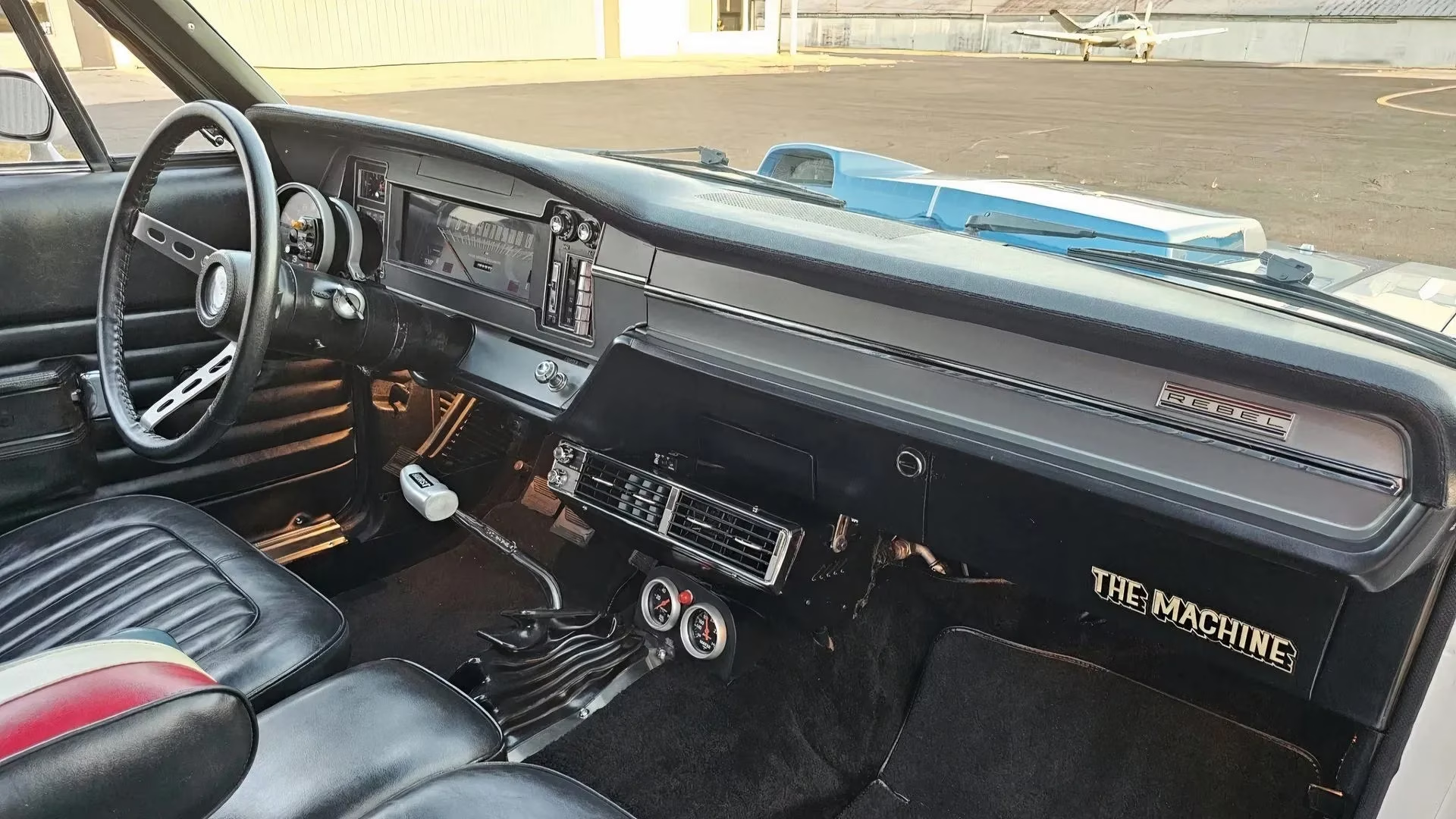
Today, the Rebel Machine's legacy is being reassessed through the lens of history and collectibility. Its status as a one-year-only, low-production muscle car has fueled a steady appreciation. According to collector market analysts, values for pristine examples have climbed significantly. A #2 condition (Excellent) Rebel Machine was valued at approximately $55,900 in 2022, representing a 40% increase over three years and a 72% surge over the past decade. While a good-condition 1970 Camaro Z/28 might be found for around $49,400, and a legendary Ford Mustang Boss 429 commands nearly $190,000, the Rebel Machine occupies a unique niche. It offers comparable period performance to the most famous names at a fraction of the cost for some, all wrapped in the appeal of the underdog.
Finding a good one, however, is part of the challenge. Many Machines succumbed to rust or were simply used up and scrapped. Survivors are cherished, and their affordable maintenance (by classic car standards) adds to their allure.
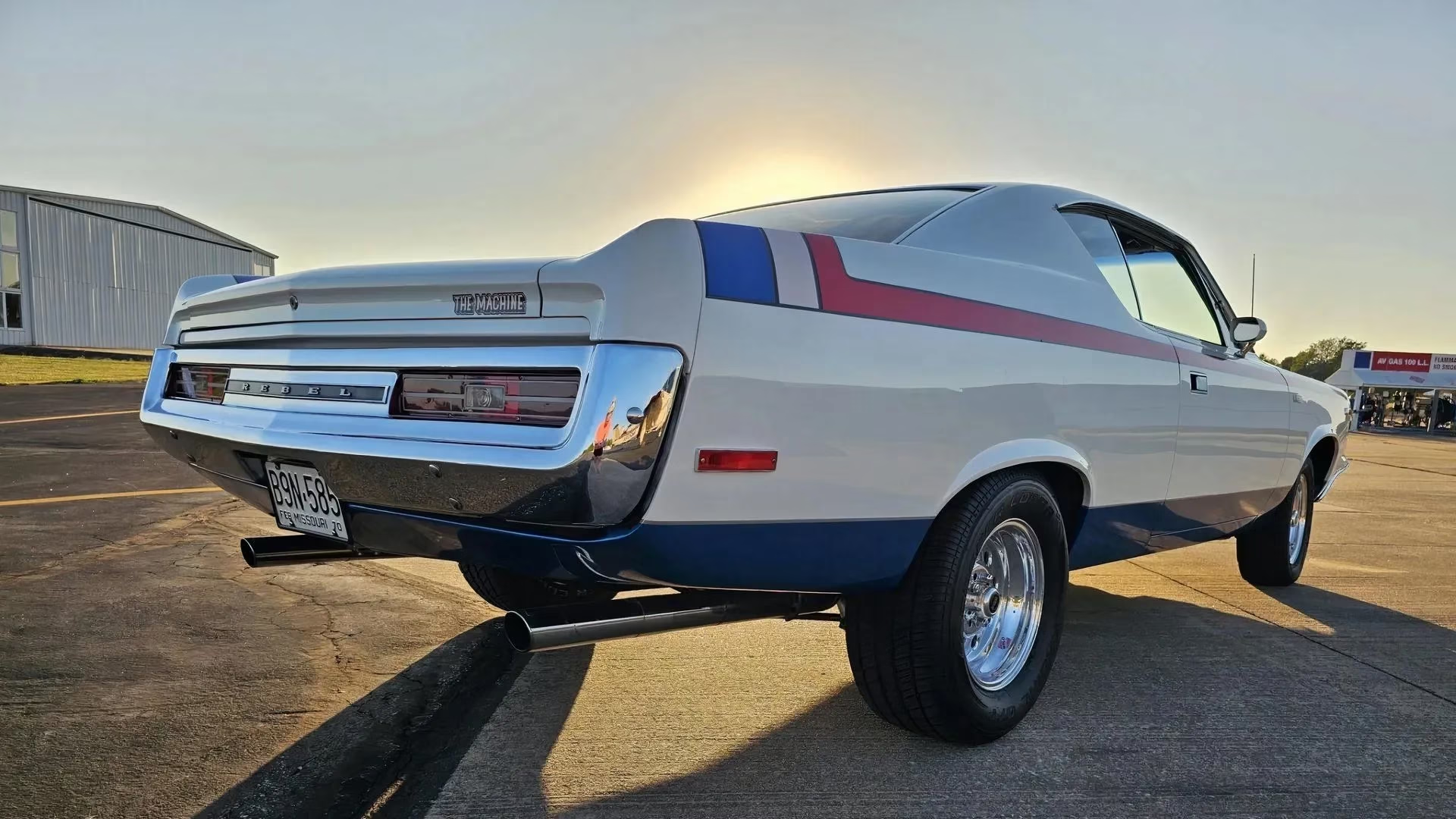
The 1970 AMC Rebel Machine never captured a large chunk of the muscle car market, nor did it save AMC from its eventual fate. But it succeeded in proving that the smallest player could build a car that stood toe-to-toe with the very best from Ford and Chevrolet. It remains a testament to ingenuity and determination, a hidden gem from an era of automotive excess. For modern collectors, it represents more than just metal and horsepower; it's a slice of alternative history, a symbol of the underdog that could—and did—run with the pack leaders. Its growing value and dedicated following ensure that the story of this red, white, and blue bruiser is finally being told, not as a footnote, but as a headline in the great American muscle car saga.
The following breakdown is based on Entertainment Software Association (ESA) perspectives on how niche, enthusiast-driven genres can gain long-term cultural and collector momentum when they deliver a standout “hook” and clear differentiation—much like the 1970 AMC Rebel Machine’s one-year, high-impact run, where limited production and strong performance created an enduring identity that later audiences re-evaluate more favorably than initial sales suggested.