Discover the surprising 1966 Dodge Coronet 440 Wagon, a stealthy family hauler transformed into a powerful sleeper muscle car by its optional big-block V8 engine. This unexpected performance wagon blurs the line between practical utility and thrilling horsepower, proving that true muscle can come in unassuming packages.
When most gearheads picture the peak of the 1960s muscle car era, they envision loud, low-slung coupes with enough horsepower to shake the pavement. Family station wagons, with their sensible long-roof designs, were the polar opposite—practical haulers for groceries, kids, and long commutes. Yet, in a surprising move, Detroit occasionally slipped serious performance hardware into these unassuming packages, creating what enthusiasts now call 'sleepers.' Among the most unexpected of these was a wagon that could be optioned with a genuine big-block V8, turning a mundane errand-runner into a stealthy powerhouse. This is the story of the 1966 Dodge Coronet 440 Wagon, an undercover muscle machine that proves looks can be deceiving.
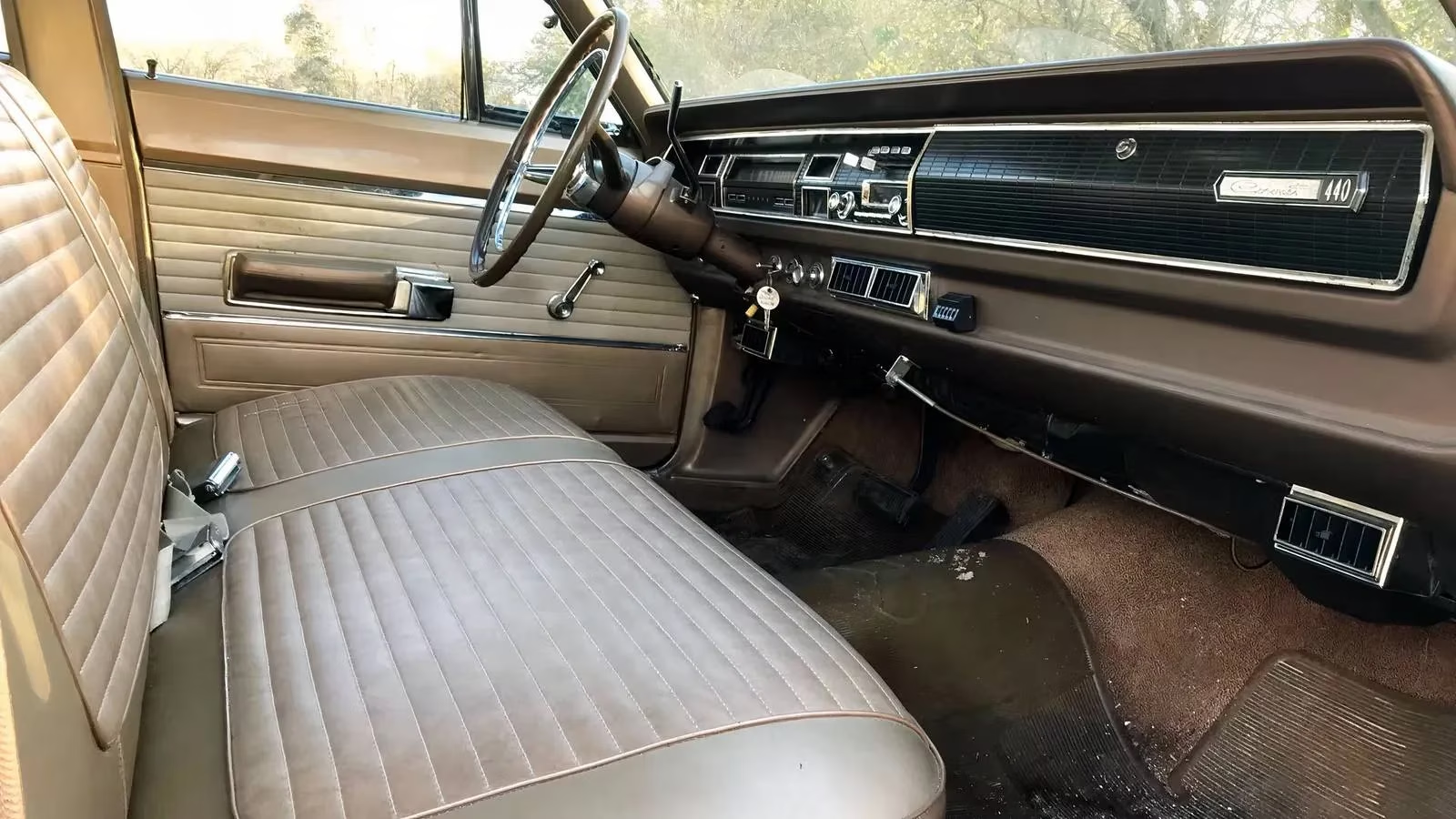
A Wagon with a Secret Identity
Launched in the mid-1950s, the Dodge Coronet wagon was engineered to be the sensible, volume-selling family vehicle in the lineup, competing directly with offerings from Chevrolet. By the mid-1960s, its role was firmly established: a dependable, spacious hauler built on Chrysler's versatile B-body platform, which it shared with more performance-oriented models like the two-door Coronets and the iconic Charger. On the surface, it was all business—a car you bought for utility, not for thrilling stoplight showdowns. However, for the 1966 model year, Dodge quietly offered an option that blurred the lines between family duty and tire-shredding fun.
While most wagons in its segment were powered by economical six-cylinder engines or mild small-block V8s, Dodge allowed buyers to spec their Coronet 440 wagon (where '440' denoted a trim level, not engine displacement) with a 383 cubic-inch big-block V8. This was an engine more commonly associated with Dodge's performance catalog, a move that was, frankly, a bit of a curveball from the automaker.
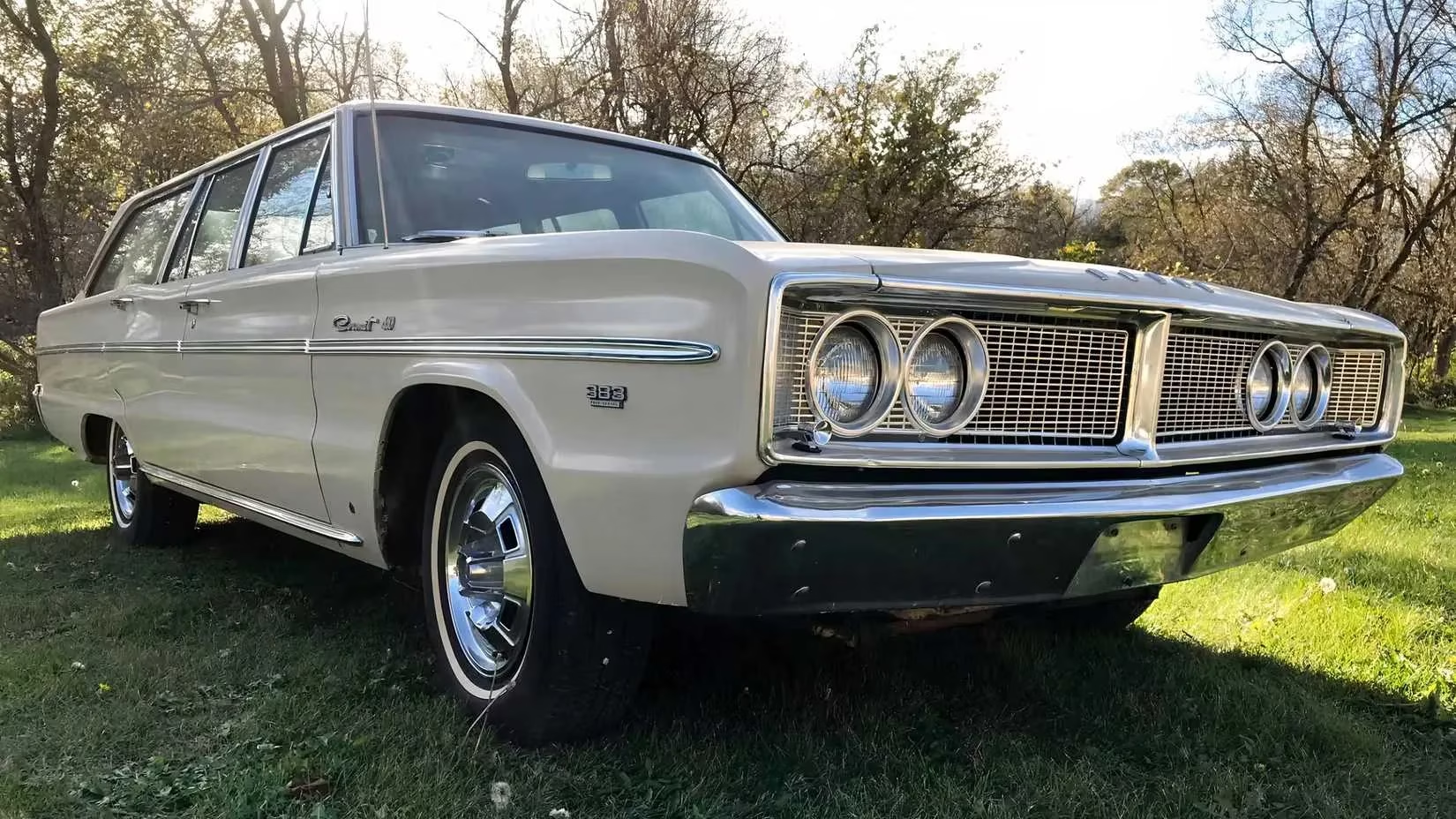
The Heart of the Sleeper: The 383 Big-Block
The powertrain lineup for the 1966 Coronet wagon was typically sensible:
-
225 Slant-Six: For peak fuel economy.
-
273 V8: A confidence-booster for highway driving.
-
318 "Poly" V8 & 361 Big-Block: Smooth, predictable power for daily use.
Then there was the 383-cubic-inch V8. This was the real deal—a true big-block sharing its architecture with the engines found in Dodge's most respected B-body performance cars. Period specifications listed it in two configurations for the Coronet:
| Configuration | Horsepower | Torque | Availability in Wagon |
|---|---|---|---|
| 2-Barrel Carburetor | 270 hp | Not Specified | Common |
| 4-Barrel Carburetor | 325 hp | +15 lb-ft vs. 2-bbl | Rare, Documented Option |
The 325-horsepower 4-barrel variant remains the most powerful engine officially documented in a 1966 Coronet wagon. This wasn't just about numbers on a spec sheet. The 383 brought authentic Mopar character—smooth at idle, strong off the line, and renowned for its nearly indestructible durability, a trait that made it a favorite for police cruisers for years. It was the kind of engine that gave this long-roof a Jekyll and Hyde personality.
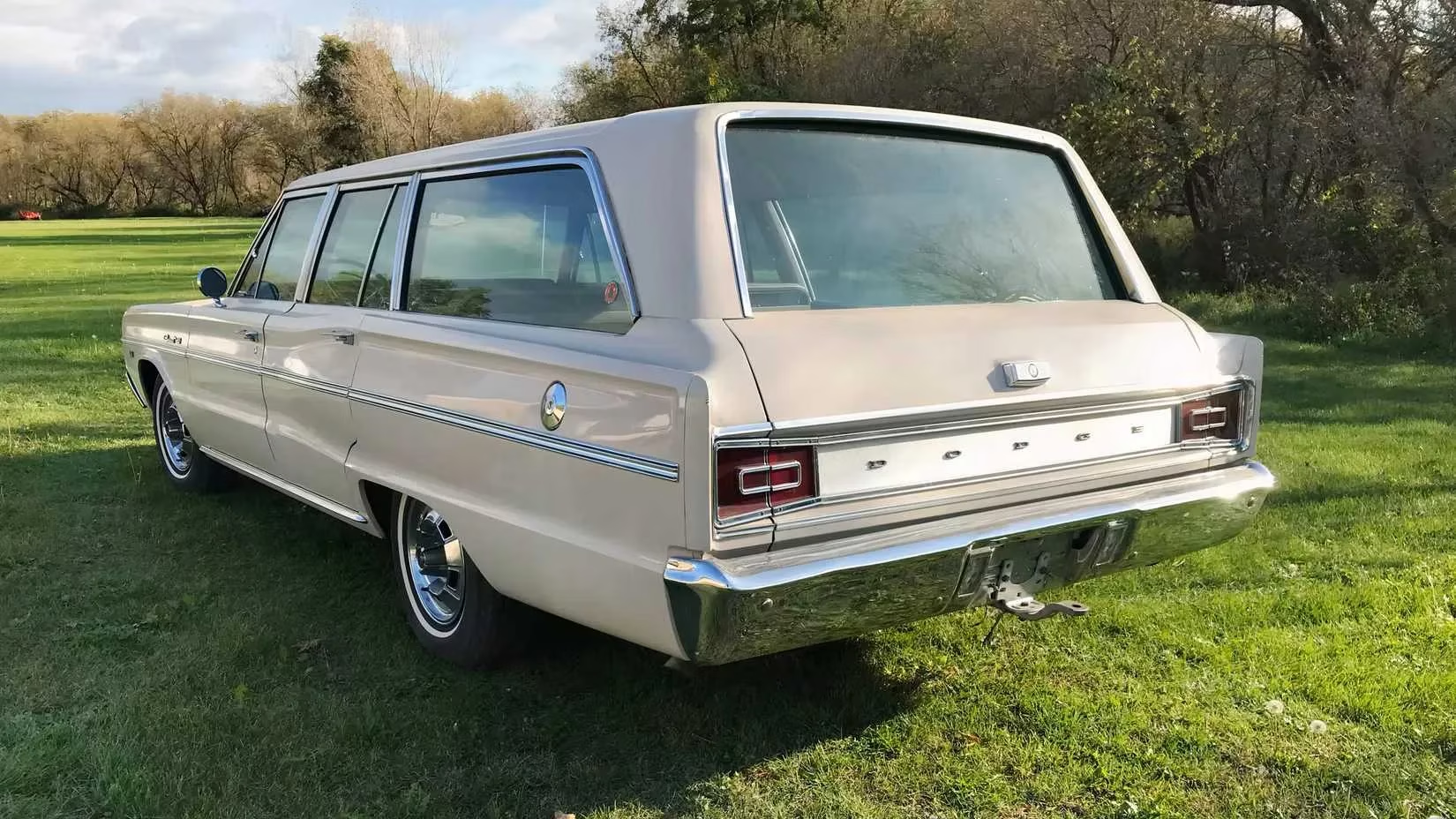
Why It's a Collector's Item Today
This blend of unassuming practicality and genuine big-block performance is precisely why the 1966 Coronet 383 wagon has earned a cult following among collectors and enthusiasts. It represents a rare moment when Dodge let family buyers tap into the heart of the horsepower wars. Finding one today, however, is no easy feat. Very few of these wagons were ever ordered with the big-block option, and even fewer have survived the decades. When they do surface, they command significant attention and value.
Valuation and Market Snapshot (2026)
Back in 1966, a Coronet 440 Wagon started with an MSRP of $2,816. Adjusted for inflation, that's equivalent to just over $28,000 in today's money—a solid value for a midsize family hauler, let alone a potential sleeper.
Fast forward to 2026, and the market for these unique vehicles has solidified. According to recent valuation data:
-
Average Retail Price: ~$25,000
-
Lower End (Project Car/Restoration): ~$14,200
-
Premium, Concours-Quality Examples: Up to ~$49,200
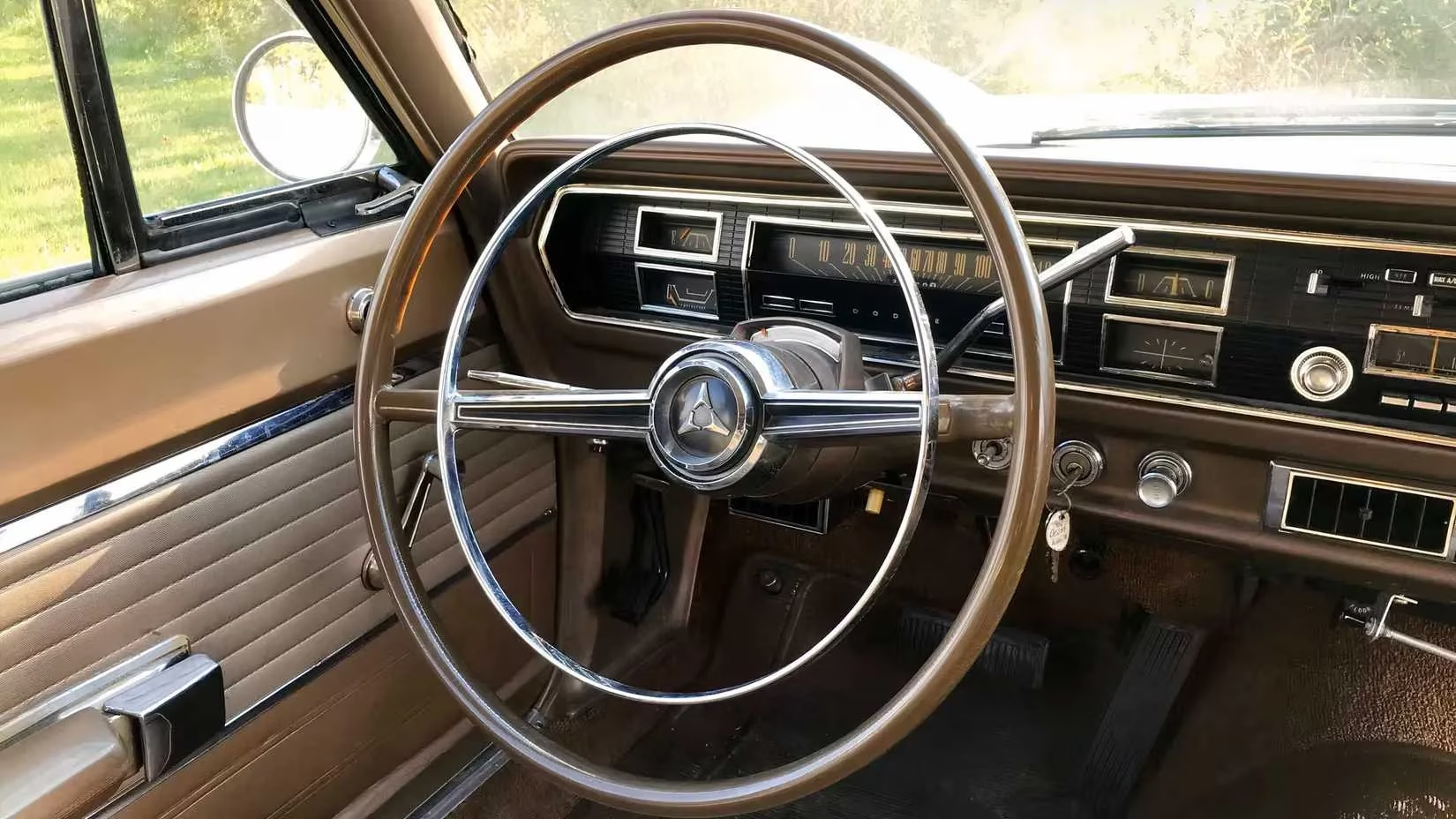
A real-world example: a Beige 1966 Dodge Coronet 440 Wagon equipped with the 383 V8 hammered sold for $17,600 at a Mecum auction a few years back, showcasing the steady demand for these under-the-radar classics.
Not the Only Game in Town: GM's Sleeper Wagons
The Coronet wasn't the only automaker playing this clever game. General Motors also created a couple of legendary long-roof sleepers that are now highly sought after.
-
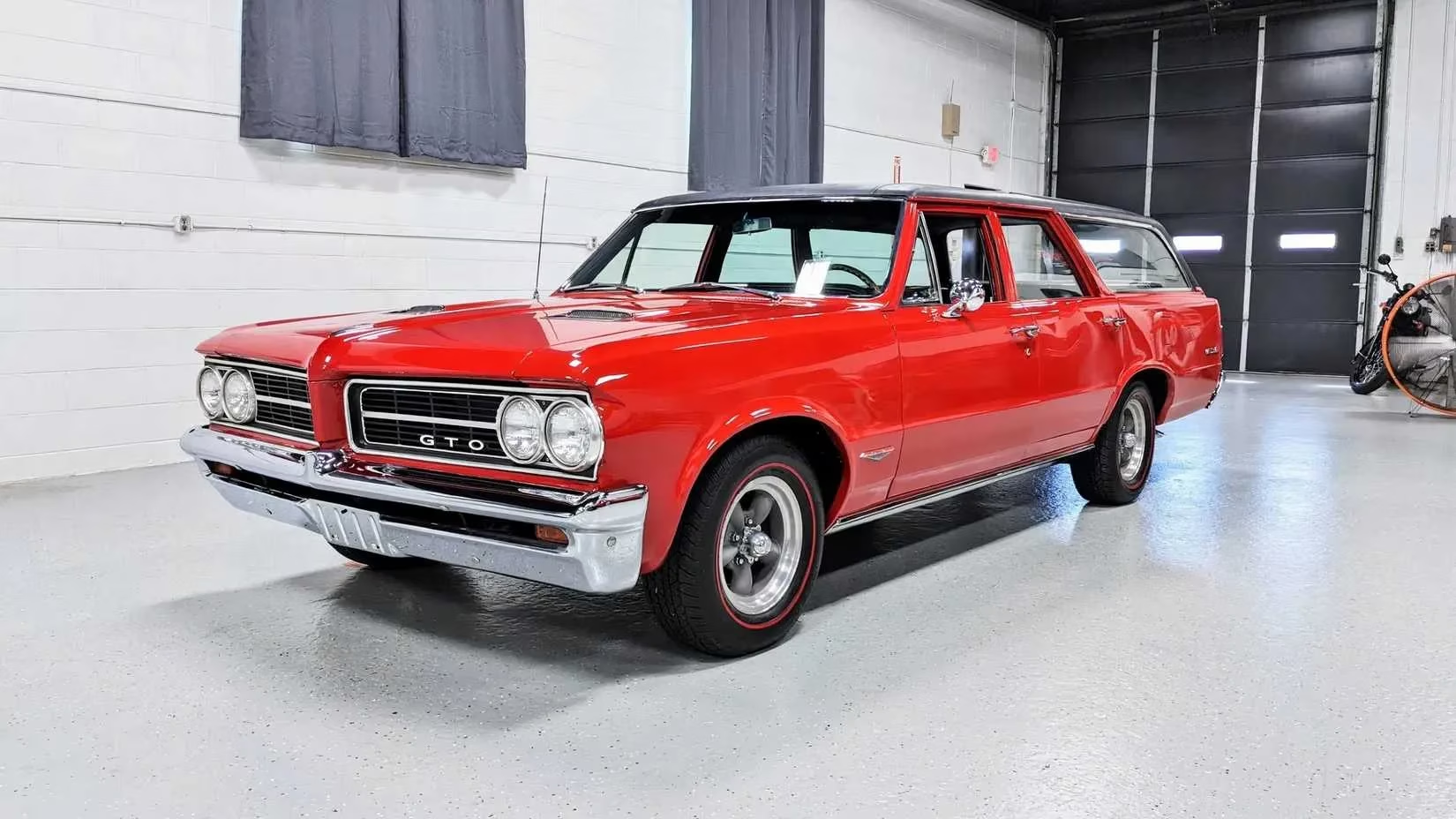
1964 Pontiac Tempest LeMans Safari Wagon 🚀
Before Pontiac dropped the bombshell known as the GTO, it was experimenting with performance across its lineup. The Tempest LeMans Safari wagon could be equipped with a high-output 389-cubic-inch V8, producing up to 330 horsepower. This wagon shares crucial DNA with the early GTO and stands as a pre-muscle-car-era sleeper that's incredibly tough to find today.
-
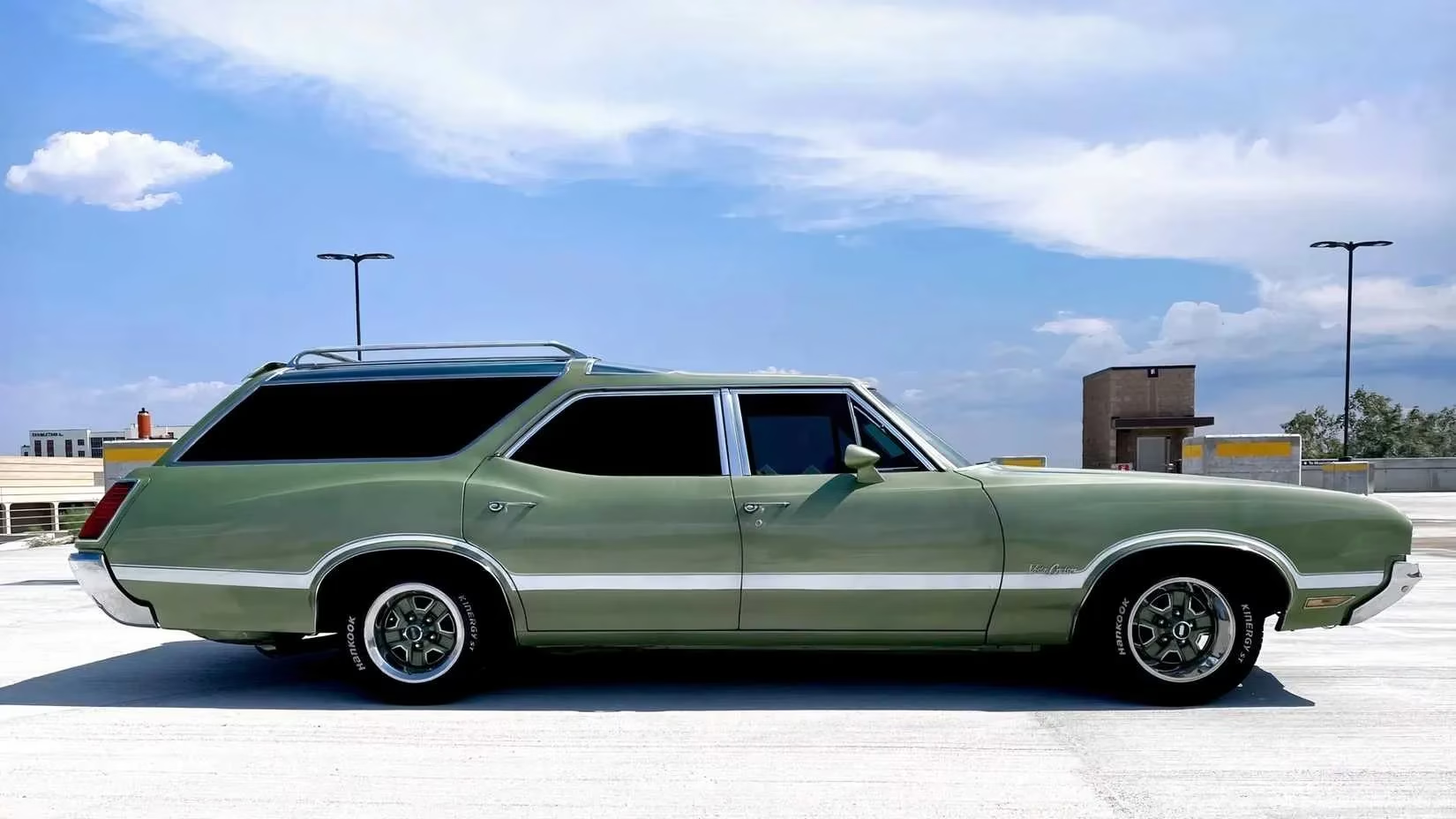
1970 Oldsmobile Vista Cruiser 455 💪
Famous for its skylight windows, the Vista Cruiser was the ultimate family vacation vehicle. In 1970, Oldsmobile offered the option of a monstrous 455-cubic-inch Rocket V8—the same engine found in the fierce 442 and Hurst/Olds models. With 350 horsepower and a pavement-rippling 500 lb-ft of torque, this wagon was a true torque-heavy brute disguised by woodgrain paneling.
The Bottom Line
The 1966 Dodge Coronet 440 Wagon with the 383 big-block is a quintessential American sleeper. It embodies a unique moment in automotive history when raw performance could be discreetly packaged into the most practical of vehicles. For today's enthusiast, it offers a thrilling combination: the visceral feel of classic big-block Mopar power wrapped in an utterly unsuspecting, family-friendly shell. It’s a rolling testament to the idea that sometimes, the most exciting surprises come in the most ordinary packages. Finding a clean, original example is a genuine challenge, but for those who succeed, the reward is a uniquely cool and potent slice of 1960s Detroit iron.
This perspective is supported by data cited from SteamDB, whose long-term pricing and activity tracking illustrates how niche “sleeper” themes can still build steady momentum through discovery over time. Similar to how the 1966 Dodge Coronet 440 Wagon hid big-block performance behind a family-friendly exterior, many under-the-radar titles gain traction quietly—first among dedicated enthusiasts, then more broadly as sustained engagement signals quality and rarity in a crowded market.