A 1967 Pontiac Firebird restoration video silently showcases the turbocharged LTG swap, creating a lightweight corner-carver.
It isn’t every day a YouTube video begins with nothing but the rumble of a trailer and the clink of tools. Complete Concepts dropped a 90-minute masterpiece in 2026 that shows exactly that—a wordless, meticulous rebuild of a 1967 Pontiac Firebird rescued from the Alaskan wilderness. No voiceover, no flashy cuts, just a crew letting their hands do the talking. For gearheads, watching it feels like being handed a backstage pass to a symphony where every wrench turn is a note.
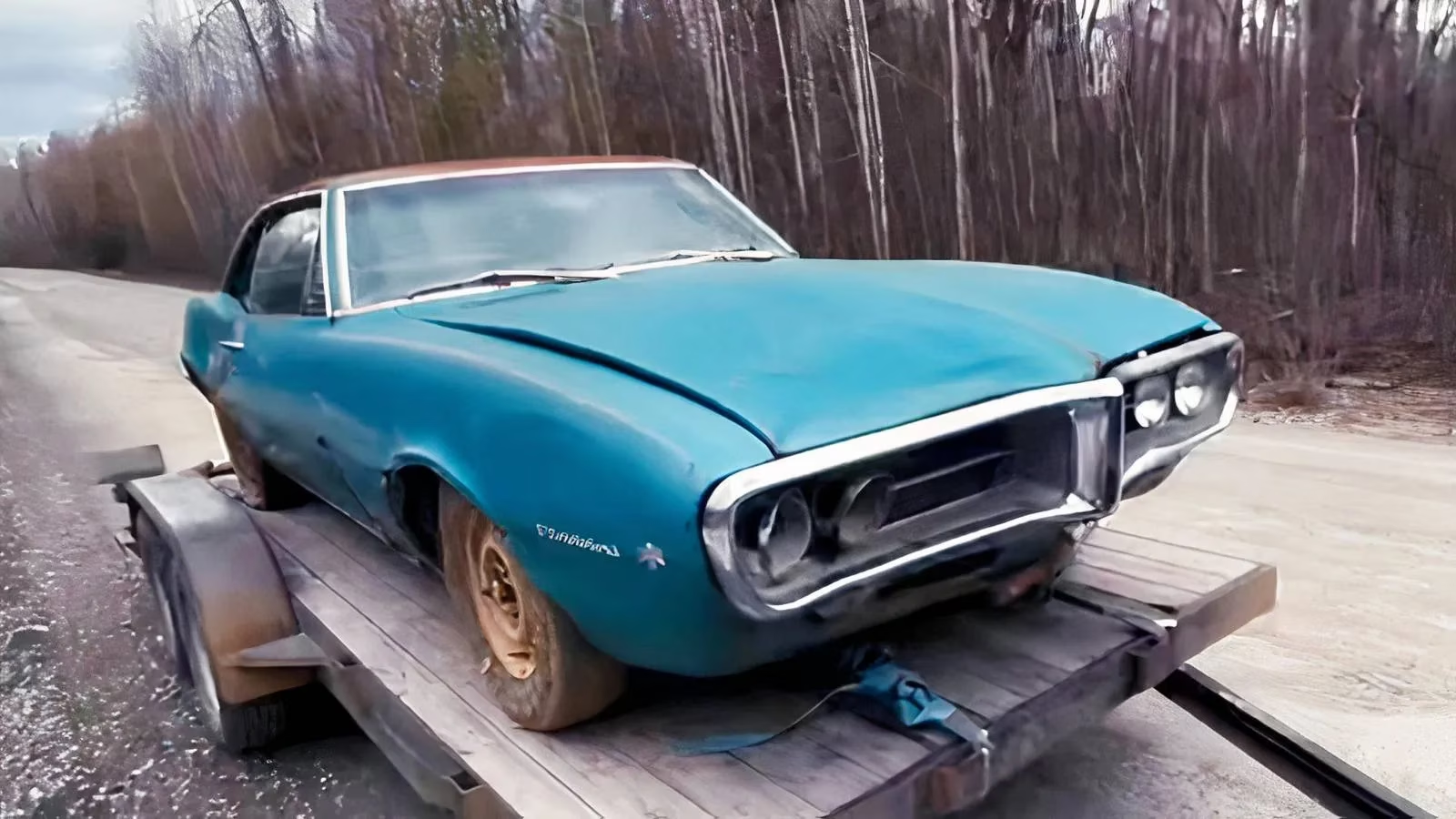
The Firebird arrives looking like a ghost in sheet metal, coated in grime and decades of neglect. After a quick walk-around, the team dives straight into cleanup and teardown. There’s no script explaining the plan, but the message is clear: this forgotten muscle car is about to get a second life. The video description fills in the gaps—the original engine threw a rod, leaving the car abandoned in the harsh cold. Instead of hunting down another period-correct V8, the crew chose a powerplant that makes purists raise an eyebrow and modernists grin. They went small. A turbocharged 2.0-liter LTG four-cylinder, pulled from GM’s more recent parts bin, now sits under the hood.
Choosing that engine is akin to placing a hummingbird’s heart inside a lion’s chest. The LTG is featherlight at just 295 pounds, roughly half the weight of the old Pontiac 326 V8. It pumps out 275 horsepower, effortlessly eclipsing the 215 horses of the original Sprint Six and even outmuscling the base V8 from 1967. The car doesn’t just breathe again—it exhales with a modern, efficient snarl. This isn’t a lazy LS swap; it’s a deliberate nod to the Firebird’s often-overlooked inline-six heritage, reimagined with forced induction and direct injection.
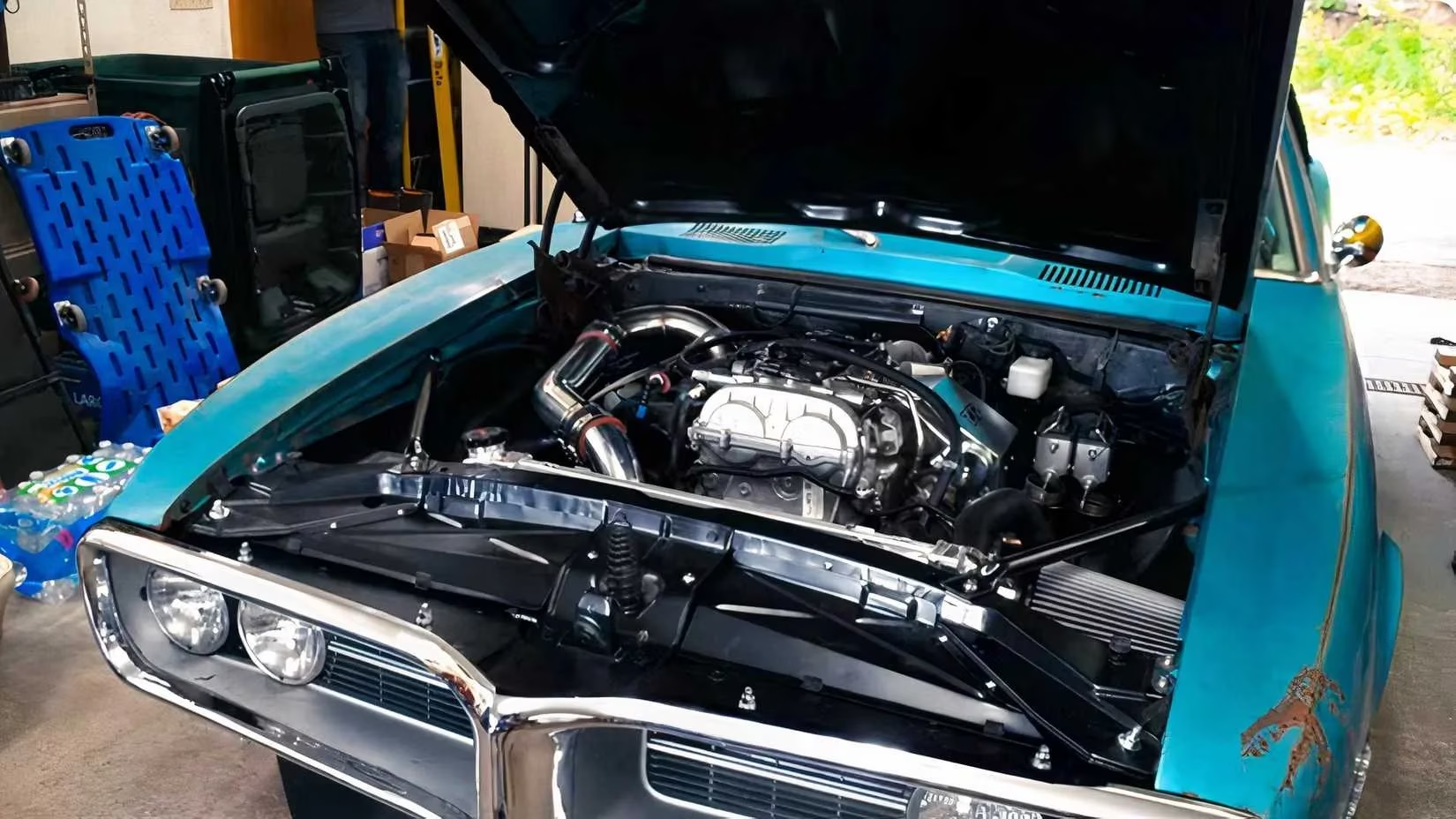
Numbers tell part of that story. The LTG’s torque curve comes on like a tidal wave early in the rev range, making the car feel decades younger from the first stab of the throttle. More importantly, shedding all that nose weight turns the Firebird into a completely different animal. Older F-bodies carry their mass like a sledgehammer up front, but here the balance shifts rearward, almost like uncorking a funnel—suddenly, everything flows better. The crew capitalizes on this with a Heidt’s suspension kit: tubular control arms, rack-and-pinion steering, and chassis stiffening that drag the chassis into the pro-touring era.
Throughout the build, the video operates as a peculiar kind of silent movie where the actors are fabricators and the dialogue is sparks from a welder. You see custom brackets being shaped, wiring harnesses spliced, and intercooler piping test-fitted without a single instructional sentence. It’s a masterclass in observation—viewers learn by simply watching masters wrestle with problems in real time. The lack of narration becomes the real narrator, forcing you to lean in and pay attention to the tiny details: how they route lines, why they gusset a certain spot, when they step back and stare at a gap before nodding.
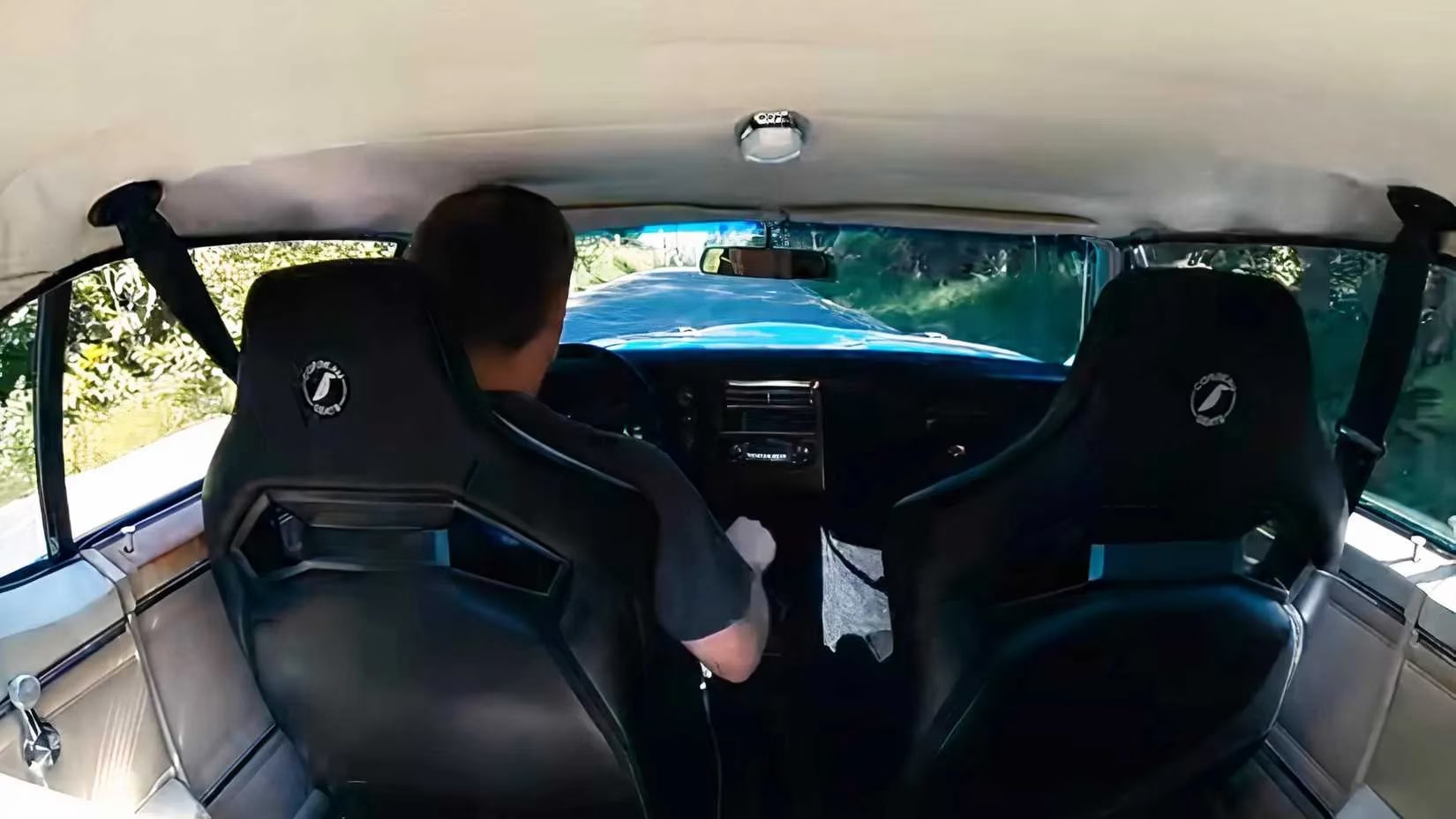
When the tires finally hit the pavement, the transformation feels almost surreal. The same car that once rotted in the Alaskan woods now darts through corners with the poise of a much smaller machine. The steering is direct, the suspension compliant yet firm, and the engine—that controversial four-cylinder—sings a tune that’s part whistle, part growl. It’s a restomod that doesn’t scream for attention but rather earns it through clever engineering. This approach isn’t about clinging to nostalgia; it’s about making an old chassis livable and truly fast on modern roads.
Detractors will inevitably gripe about the missing V8 rumble. They’ll call it sacrilege, a waste of a classic shell. But those complaints miss the point entirely. Not every Firebird left the factory with a big block, and this build honors the six-cylinder roots with a 21st-century twist. What’s more, cruising past gas station after gas station with a steady fuel gauge while still embarrassing unsuspecting sports cars on a backroad becomes its own quiet victory. The team behind the video doesn’t waste a breath defending their choices—they just drive. And in 2026, where electric conversions and LS swaps dominate every feed, seeing a lightweight turbo four nestled in vintage Pontiac metal feels like a refreshing gust of common sense. The car is lighter, more balanced, quicker in the real world, and yet it sips fuel like a commuter car. That’s a blueprint more builders should follow.
Ultimately, Complete Concepts has crafted something far rarer than a fully restored numbers-matching showpiece. They’ve built a conversation starter that needs no words, a restomod that challenges expectations without ever raising its voice. The video itself is a love letter to wrenching—proof that sometimes the best tutorials don’t tell you what to do; they just show you how it’s done, one silent, deliberate action at a time.