Discover the legendary Pontiac Firebird, an iconic American muscle car with innovative engineering and cultural impact, enduring as a timeless symbol of power and rebellion.
The Pontiac Firebird, an icon of American muscle car history, roared onto the scene in 1967 as Pontiac's answer to the booming pony car market. Born from the creative genius of John DeLorean, this legendary machine shared the F-body platform with the Chevrolet Camaro but carved its own rebellious identity. Over four generations, it evolved from the aggressive "Coke bottle" styling of the 1960s to the aerodynamic marvels of the 2000s, with the high-performance Trans Am model stealing hearts in pop culture hits like Smokey and the Bandit. As we reflect in 2025, the Firebird's legacy endures not just as a symbol of raw power but as a testament to innovative engineering and cultural defiance. Its journey ended in 2002, yet collectors and enthusiasts worldwide still celebrate its spirit, making it a timeless relic of automotive passion. 🔥🚗
First Generation (1967-1969)
The original Firebird debuted in 1967, aiming to rival the Ford Mustang with its unique "coke-bottle" design and split grille. Key innovations included the overhead cam (OHC) inline-six engine and functional Ram Air induction. This generation saw rapid evolution:
-
1967: Launch as a hardtop coupe and convertible, offering five engine options from a modest inline-six to potent V8s.
-
1968: Engine upgrades, with the inline-six growing to 250 cubic inches and the introduction of the 350 V8.
-
1969: Major restyle with quad headlights and the rare Trans Am package—only 697 units built—featuring Cameo White paint and blue stripes.
Models included:
-
Firebird Sprint (high-output SOHC inline-six)
-
Firebird 400 with Ram Air option (up to 345 horsepower)
-
Trans Am (exclusive performance package)
Performance peaked with the Ram Air IV V8, rated at 345 hp. Today, values soar for rare models, with a 1969 Trans Am Ram Air IV fetching up to $440,000 at auction. This era set the stage for the Firebird's muscle dominance. 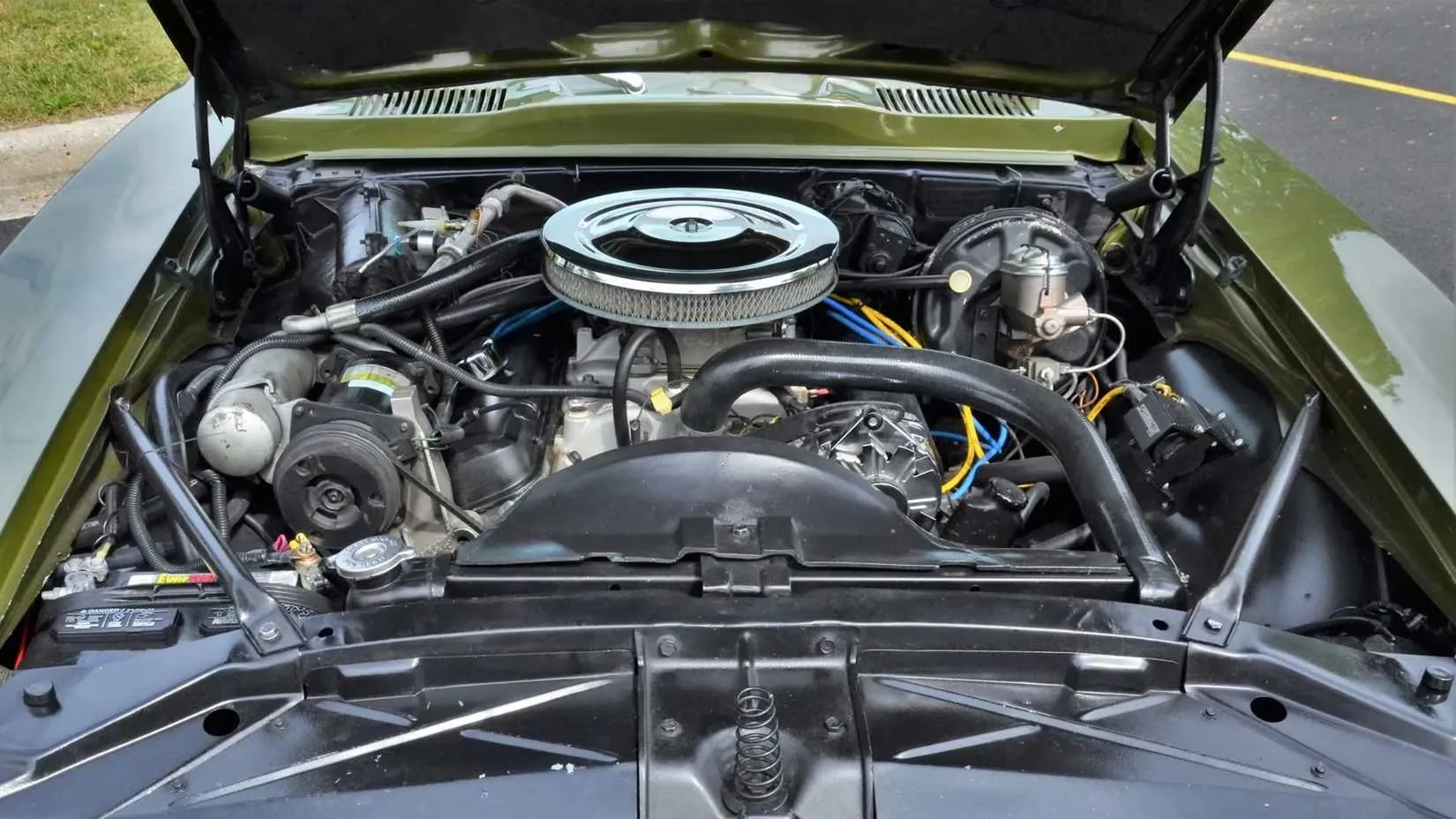
People Also Ask: What made the first-gen Firebird stand out? It was Pontiac's unique OHC inline-six and Ram Air tech, offering balanced sportiness.
Second Generation (1970-1981)
This generation, starting as the 1970 1/2 model, defined the Firebird's cultural impact with swoopy styling inspired by European sports cars. It navigated the 1970s oil crisis by adapting to emissions controls while maintaining performance. Highlights:
-
1970–1974: Early V8s like the 455 Super Duty (290 hp) delivered muscle car thrills.
-
1977: Gained fame as the Bandit car in Smokey and the Bandit, boosting Trans Am popularity.
-
Special editions like the 1976 50th Anniversary Black and Gold Trans Am introduced factory T-tops.
Key models:
-
Firebird Base/Esprit/Formula
-
Trans Am SD-455 (highly collectible, only 1,296 units)
-
10th Anniversary Limited Edition (1979, two-tone silver)
Prices today start around $4,000 for base models, but iconic versions like the 1977 Black and Gold Trans Am can hit $550,000. This generation cemented the Firebird as a rebel icon. 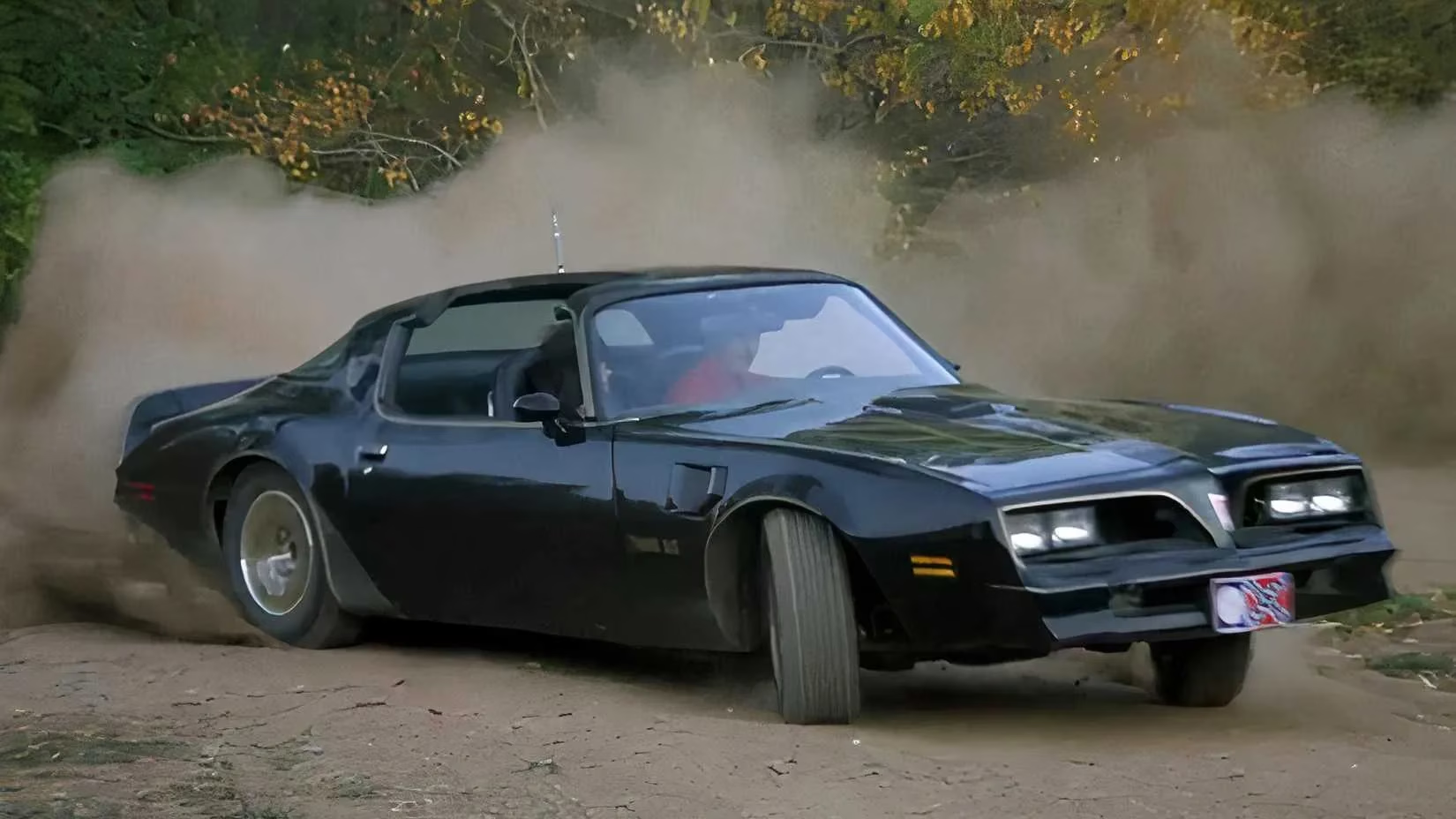
People Also Ask: Why is the second-gen Firebird so iconic? Its starring role in films and innovative designs like the "screaming chicken" hood decal made it a cultural phenomenon.
Third Generation (1982-1992)
Ushering in the era of efficiency, this generation featured aerodynamic styling, pop-up headlights, and a focus on handling. It became famous as KITT in Knight Rider TV series. Technical advancements included:
-
1982: Debut with a drag coefficient of 0.29, making it GM's slipperiest car.
-
1987: Introduction of the luxury-performance GTA model with Tuned Port Injection V8.
-
1989: Turbocharged 20th Anniversary Pace Car (250 hp), limited to 1,555 units.
Models spanned:
-
Firebird Base
-
Formula (performance sleeper)
-
Trans Am GTA (V8 power and refined interior)
Current prices average under $29,000, but pristine editions like the 1989 Turbo Pace Car command up to $96,500. This gen proved American cars could balance speed and sophistication. 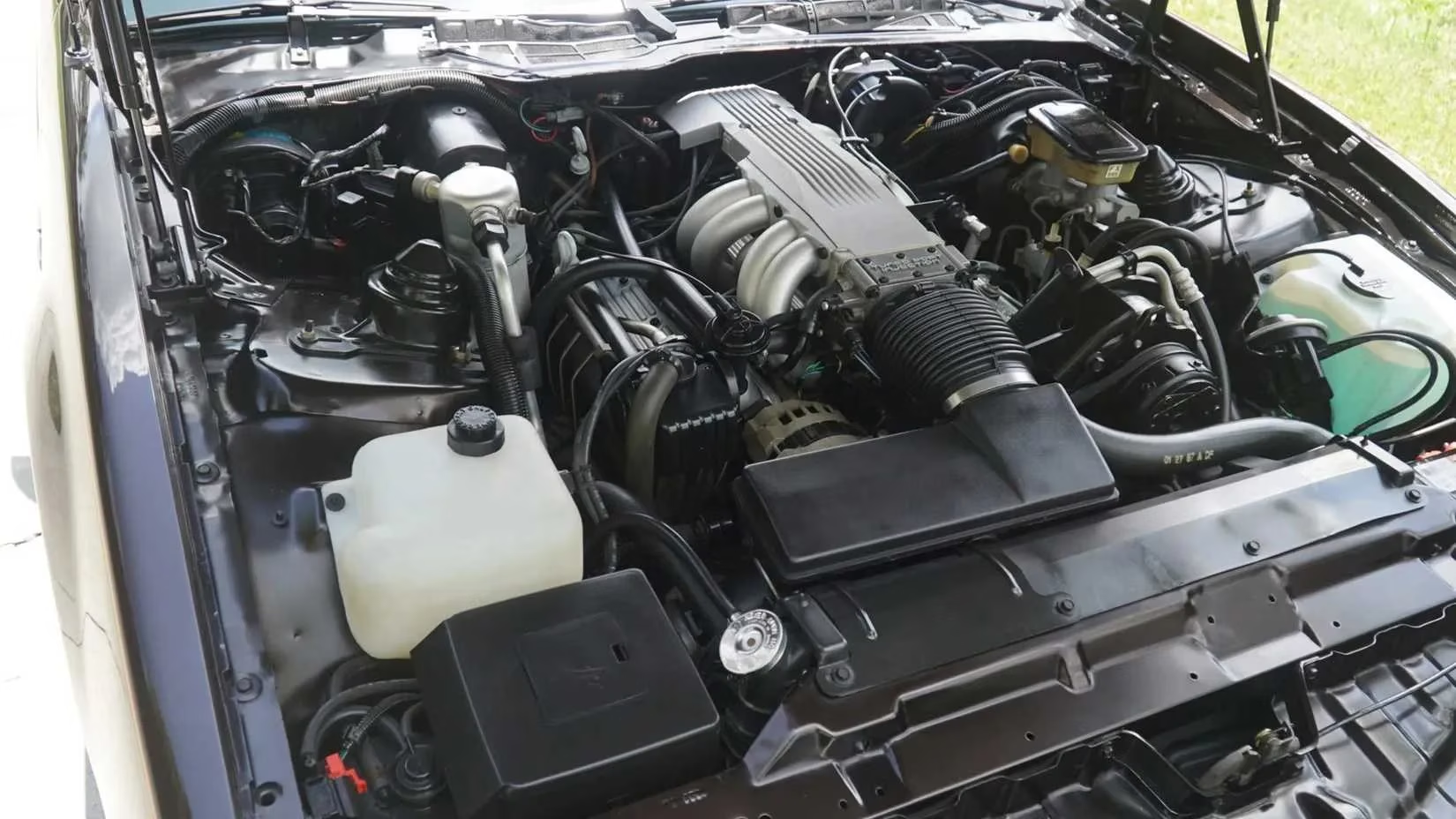
People Also Ask: How did emissions rules affect Firebird engines? Power dipped in early '80s models, but innovations like turbocharging kept performance alive.
Fourth Generation (1993-2002)
The final chapter saw radical redesigns with the Banshee IV concept influence, featuring a 68-degree windshield and composite materials. It brought Corvette power to the masses:
-
1993: Launch with 3.4L V6 and LT1 V8 engines.
-
1998: Upgrade to LS1 V8 from the Corvette, boosting Trans Am WS6 to 325 hp.
-
2002: Collector Edition marked the end, with Sunset Orange Metallic paint.
Special trims included:
-
Trans Am WS6 with Ram Air induction
-
30th Anniversary model (1999)
-
Firehawk by SLP (performance mods)
On today's market, average prices hover around $22,000, but LS1-powered WS6 models exceed $30,000. The rarest, a modified 2002 GMMG Blackbird, sold for $112,000. This gen ended Firebird's run with a bang. 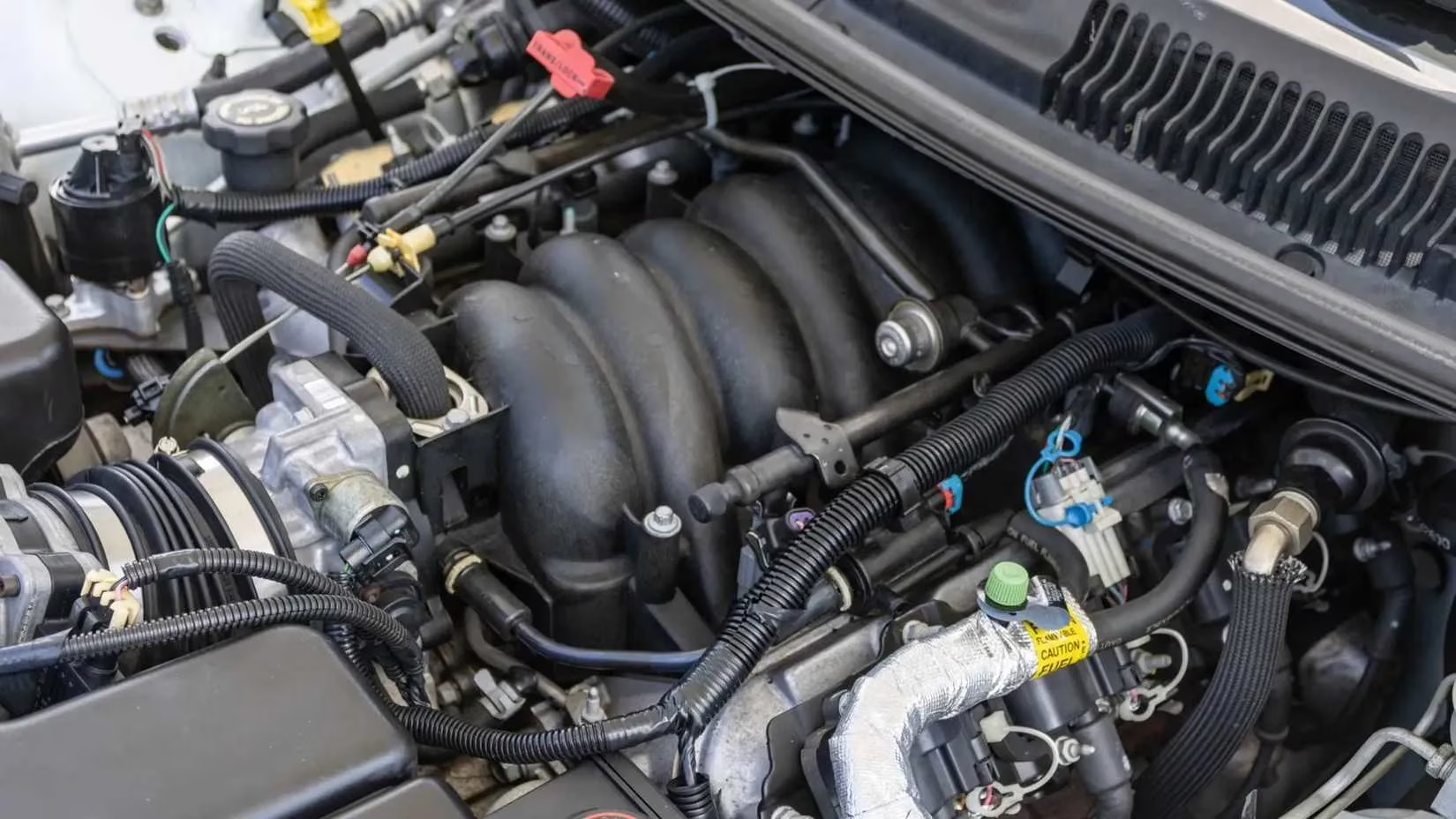
People Also Ask: What caused Pontiac to discontinue the Firebird? Declining sales and shifting market trends toward SUVs led to its 2002 demise.
Collectibility and Value Trends
Firebird prices vary wildly based on generation and model. Here's a summary of current (2025) collector values:
| Generation | Average Price | High-Value Models | Peak Auction Price |
|---|---|---|---|
| First (1967-1969) | $40,000–$80,000 | Trans Am Ram Air IV | $440,000 |
| Second (1970-1981) | $4,000–$50,000 | Black and Gold Trans Am | $550,000 |
| Third (1982-1992) | Under $29,000 | 1989 Turbo Pace Car | $96,500 |
| Fourth (1993-2002) | Around $22,000 | WS6 Collector Edition | $112,000 |
Factors like originality, mileage, and special editions drive premiums. For instance, V8 models consistently outvalue V6s. 💰
People Also Ask Deep Dive
-
Why is the Trans Am so legendary? Its Ram Air tech, starring roles in media, and WS6 handling packages made it a performance icon that embodied rebellion.
-
How did Firebird engines evolve? From high-torque big-blocks to efficient turbos and Corvette-sourced LS1s, each gen adapted to regulations while pushing boundaries.
-
What makes Firebirds collectible today? Rarity of models like the SD-455 or anniversary editions, coupled with cultural nostalgia, fuels demand among enthusiasts.
In the realm of automotive history, the Firebird's story isn't just about horsepower; it's a narrative of resilience against changing times. As electric vehicles dominate 2025, one wonders: if reborn, could a modern Firebird blend its rebellious DNA with sustainable innovation, or will it remain a cherished relic of a bygone era? 🤔 This open question invites us to reflect on how heritage shapes the future of mobility.