The Australian Valiant Charger's Hemi 6 engine proved inline-six muscle could outgun V8s, a legacy echoing in today’s twin-turbo Hurricane.
I’ll be honest, as a diehard Mopar fan and weekend mechanic, the first time I saw the new Charger with a twin-turbo inline-six under the hood, my heart sank a little. No rumble, no supercharger whine, just a smooth hum and a badge that says SIXPACK. It felt like the end of an era. But then I remembered digging through old forum posts late one night and stumbling on a machine that made me reconsider everything I thought I knew about inline-six muscle cars: the Australian Valiant Charger. It turns out, cranking serious horsepower out of a straight-six isn’t some new corporate compromise—it’s a deeply rooted Mopar tradition most of us up north completely missed.
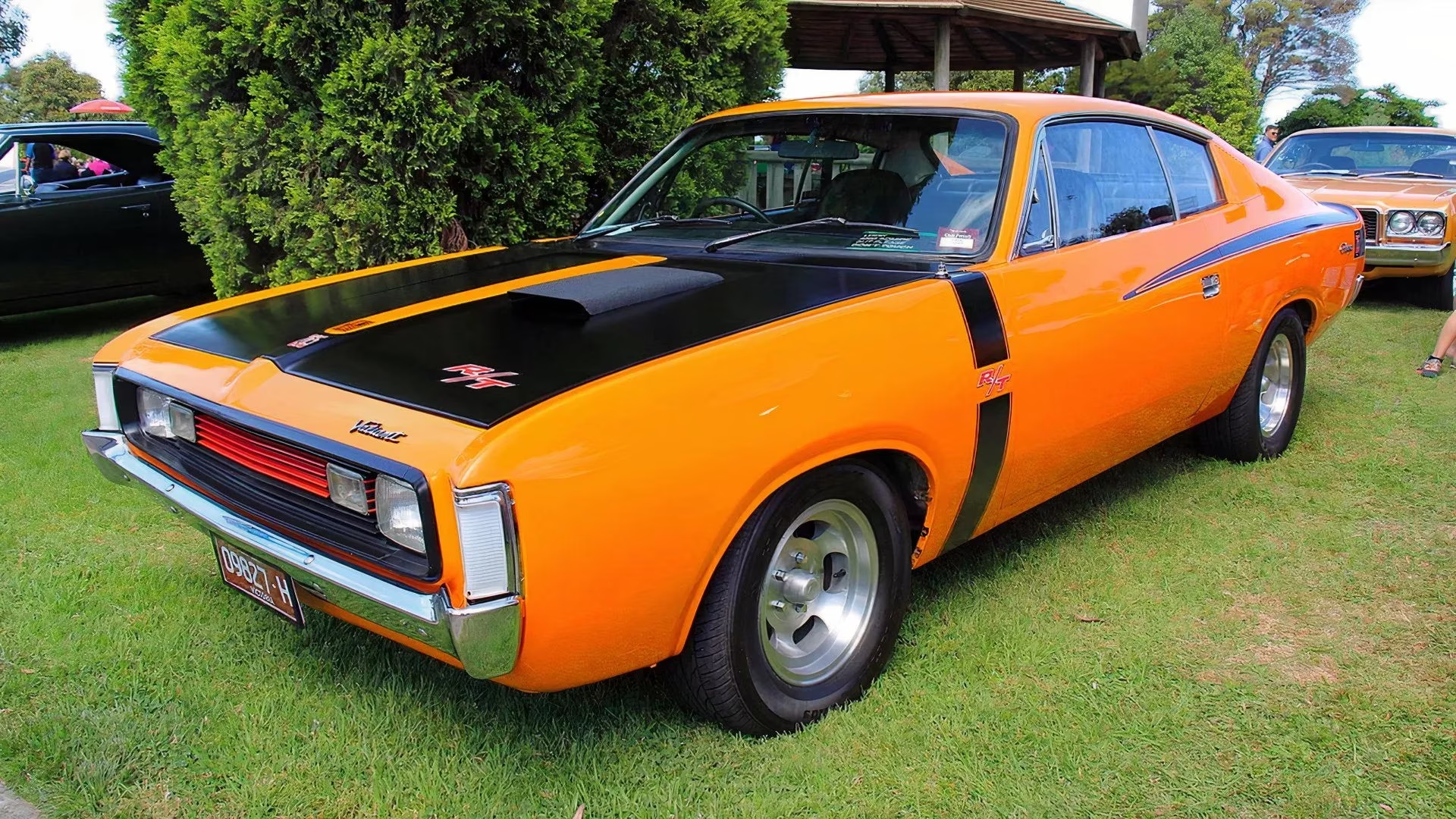
The Australian car scene is a parallel universe of American muscle, filled with V8-powered sedans and utes that seem vaguely familiar but off in the best possible way. Plenty of us know about Holden, but fewer remember Chrysler’s down-under heavyweight. From 1971 to 1978, the Valiant Charger prowled Aussie roads, and it didn’t always rely on a rumbling V8 to get the job done. Instead, it famously packed a Hemi—but not the 426 Elephant we worship. This one had six cylinders in a line.
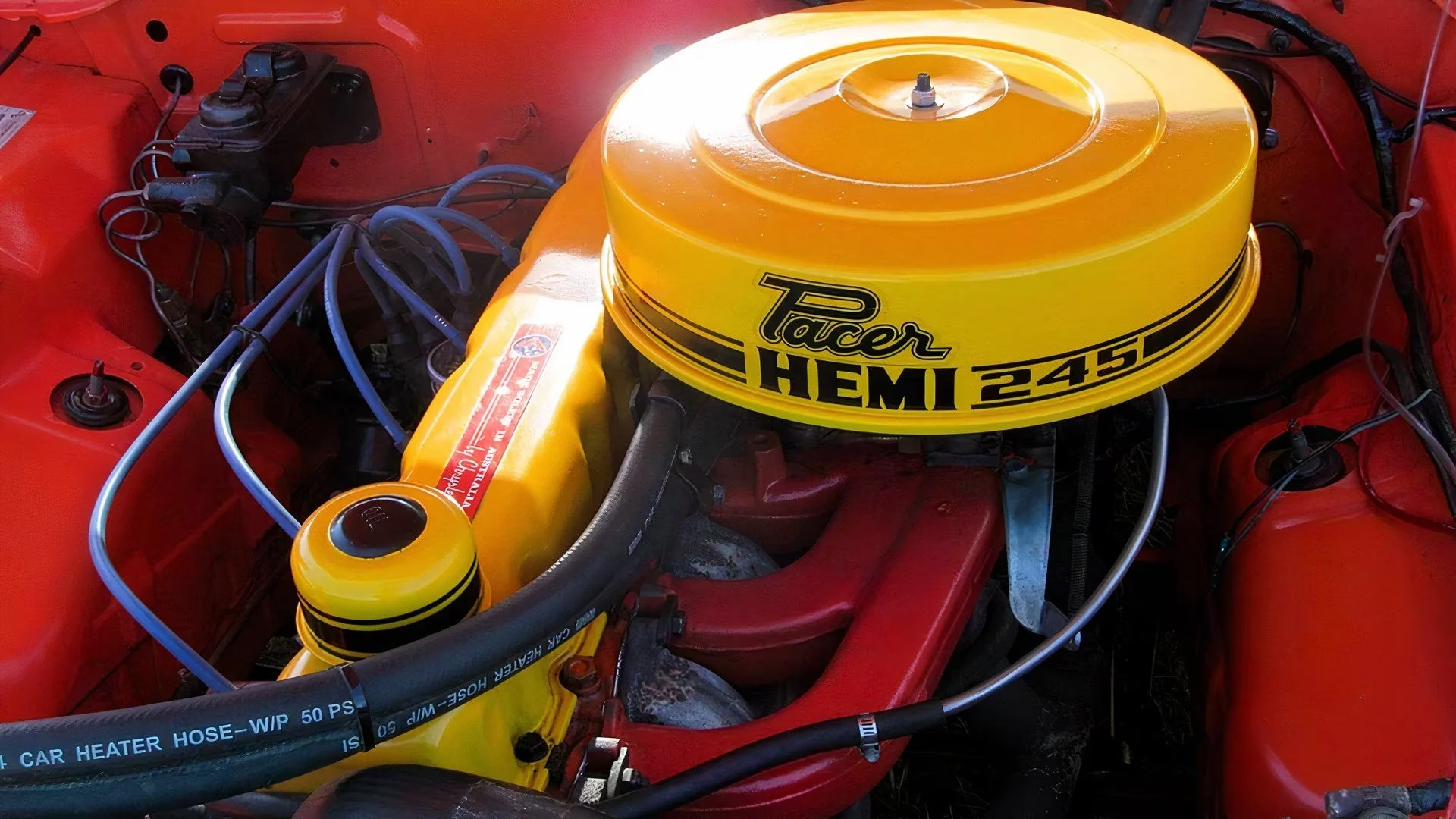
Now, I’m not talking about some agricultural tractor engine. The Hemi 6 was a brilliant piece of engineering, combining the torque-rich durability of a traditional inline-six with hemispherical combustion chambers for serious punch. It came in three flavors: a 215 cubic-inch (3.5L) mill making 199 lb-ft at just 1,800 rpm, a 245 (4.0L), and the big daddy 265 (4.3L). The smaller ones were workhorses, but the high-performance 265 in the legendary E49 Charger was an absolute beast. We’re talking 302 horsepower at 5,600 rpm and 320 lb-ft at 4,400 rpm—straight from the factory. For context, that out-muscled the official numbers of the 340 four-barrel (275 hp) and rivaled the 340 Six-Pack (rated at 290 hp, though we all know it did more). An inline-six quietly humiliating V8s on closed Australian roads? You bet.
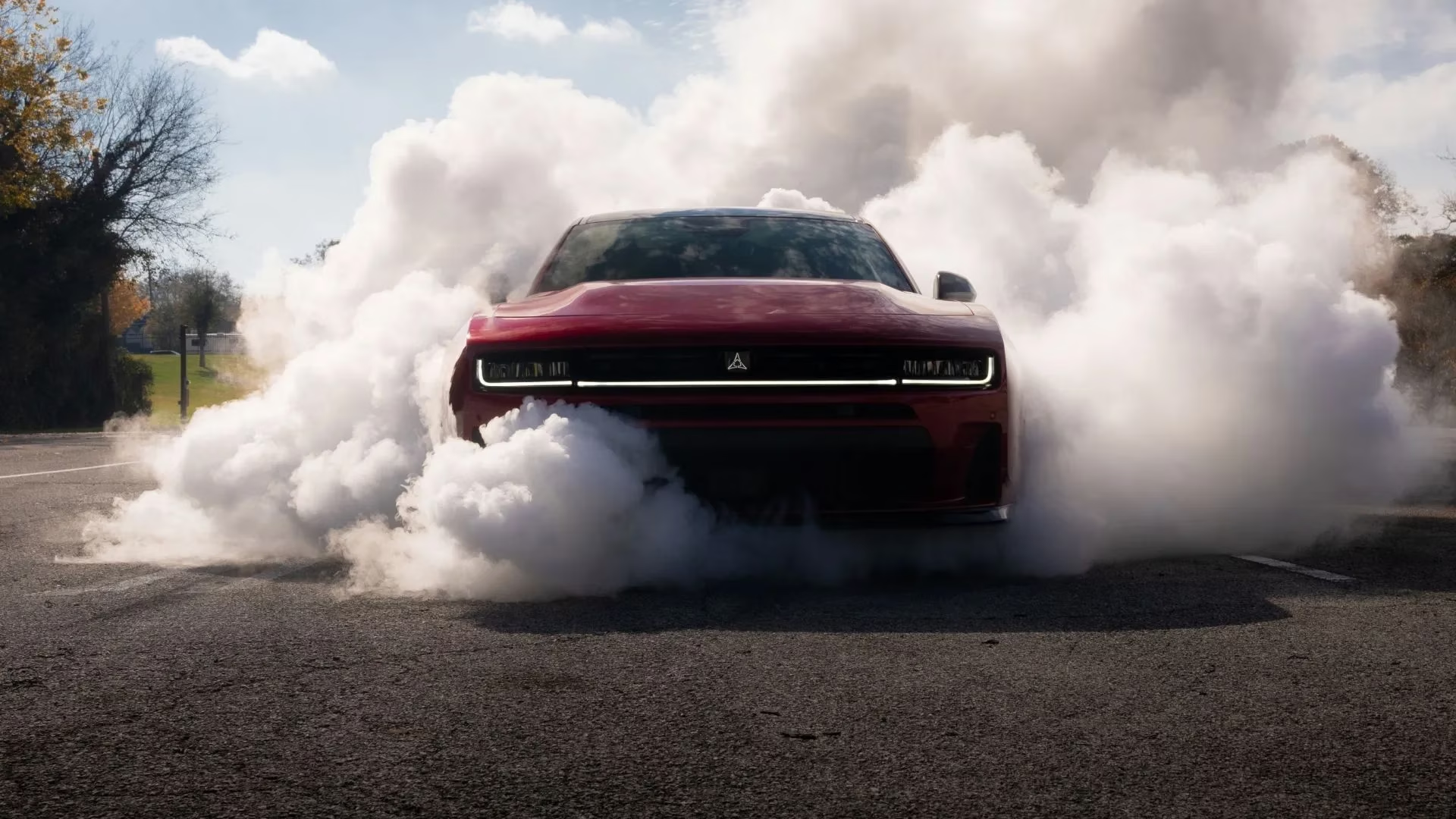
Every time I picture those triple side-draft Weber carbs gulping air on that 265, I can’t help but imagine what a modern gearhead would do with a cam swap, some head work, and a proper exhaust. You could easily be flirting with 400 horsepower without sacrificing the engine’s unkillable nature. Which brings me directly to 2026 and the Hurricane 3.0-liter twin-turbo sitting in the new Charger.
Look, I get the backlash. The Hurricane isn’t a Hemi, it doesn’t shake the ground at idle, and opening the hood doesn’t fill you with the same sense of occasion. But the numbers don’t lie. A base R/T Charger puts down 420 horsepower, while the Scat Pack variants crank out 550. With nothing more than a conservative tune, the aftermarket community is already hinting at massive gains. Yes, we worry about reliability—direct injection, high-strung turbos, and new tech always give us pause. But let’s appreciate what this mill is doing: delivering Hellcat-level threat with half the cylinders and a fraction of the fuel, all wrapped in a chassis that handles like a modern sports sedan.
I’m not delusional. I know SIXPACK Chargers won’t instantly achieve the cult status of a last-call Hellcat or a Demon 170. But history has a funny way of repeating itself. The Valiant Charger was once just a weird Australian oddity with the „wrong” cylinder count; today, clean E49s are six-figure icons with a global fanbase. If Dodge eventually brings the Hemi V8 back and phases out the Hurricane, these twin-turbo six cars—especially the Scat Packs and any limited editions—are going to skyrocket in collectibility. They’ll be remembered as the plucky, misunderstood bridge between eras that could absolutely humble a V8 with the right driver.
So next time someone tells you the new Charger is soulless, remind them about the Hemi 6 that screamed across Bathurst decades ago. Soul doesn’t come from a cylinder count; it comes from engineering grit and a little bit of insanity. And if the Valiant taught me anything, the Hurricane-powered Charger might just be the next legendary Mopar waiting for its moment.